How to discard old devices safely
How to discard old devices safely

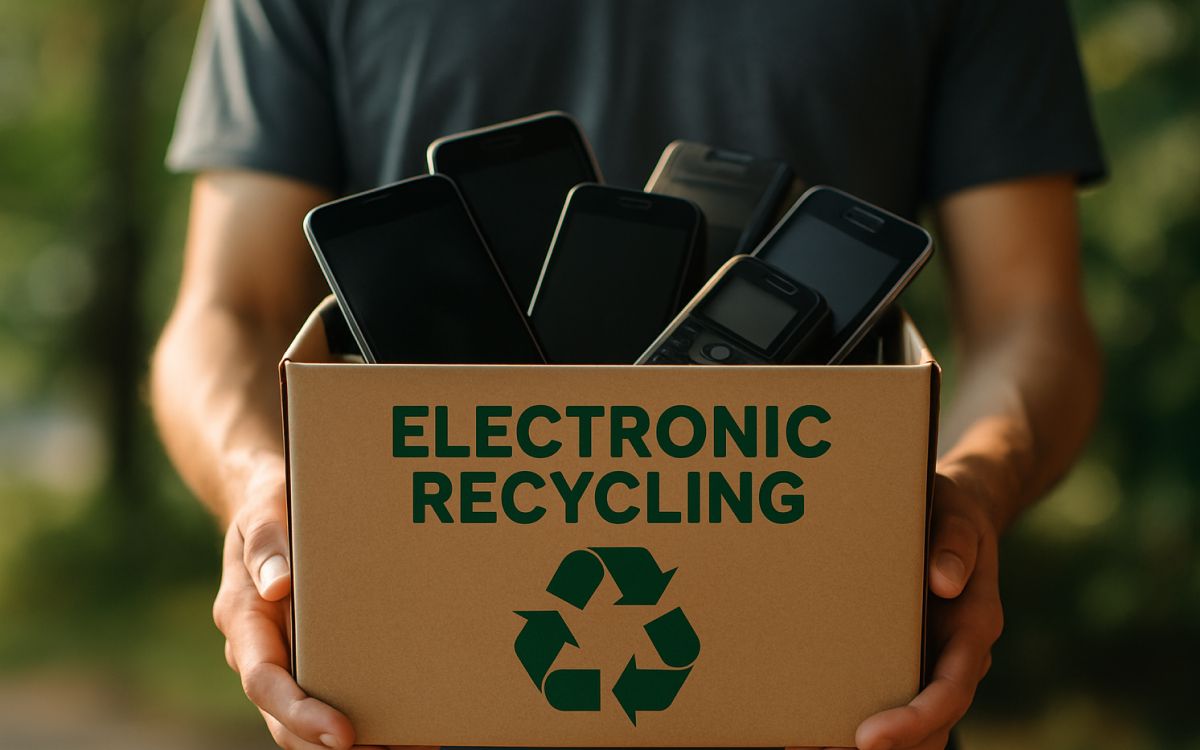
Old phones, broken chargers, unwanted cables, and other e-waste accumulate quickly in homes. They clutter drawers and shelves, taking up a lot of space without one even realizing it. While disposing of electronics is not difficult, it generally requires following a few basic steps to protect the environment and ensure one’s own safety. These include wiping personal data from devices, properly sealing them, and considering reuse and recycling options.

Why proper disposal matters

Electronic devices contain tiny amounts of chemicals, such as lead and mercury, which can contaminate the soil in the landfills. That’s why, instead of tossing them into regular trash bins, disposing of them through other, safer channels is best. 

A large part of the e-waste can also be recycled to make new products. This is a good way to support local facilities and create jobs in collection, sorting, and repair roles. Considering that households produce millions of tons of e-waste each year, recycling old electronics can help generate significant local revenue.

Proper disposal is also important for one’s own safety. Many small businesses refurbish and resell electronics. That’s why, when disposing of things like smartphones, laptops, and storage devices, one should wipe off all their data to keep it out of reach of the next person who uses the device.

How to dispose of electronic devices

Back up and wipe data

The first step is to back up important photos, files, or contacts stored on the device. One can back up their data either on the cloud or on an external physical drive. This is an invaluable step, as it ensures the information remains accessible even after the device is disposed of.

After backing up the data, a factory reset must be done to wipe everything from the old device. Devices like phones, tablets, and computers can be restored to factory settings by following the manufacturer’s user guide. For devices like hard drives, tools like DBAN can be used to overwrite data multiple times to prevent recovery after disposal.

Explore reuse options

Devices that still work can be given a second life instead of being thrown away. This can be done by donating them to schools, nonprofits, or programs like Cell Phones for Soldiers. Organizations like these refurbish pre-owned devices for community use, extending their lifespan.

Another option is to resell the device online. This is a good way to make money out of used electronics. Or, trade-ins can be done with big-box retailers or with electronic manufacturers to earn store credit. They handle everything from device condition checks to refurbishment, making the resale process easier.

Find recycling centres

Old electronic devices that are not in a condition for reuse can be sent for recycling. Platforms like Earth911.com and Call2Recycle make recycling easy by connecting users to nearby drop-off points and programs. Other options include participating in free recycling drives hosted by local organizations or using retailer programs and mail-back services.

Whether recycling via an online platform or a local organization, one must ensure that an ethical, proper recycling process is followed before sending the devices off. Most recycling processes involve separating batteries and screens using specialized processes. Proper verification ensures safety and prevents exports of harmful components.

Tips for safe e-waste disposal

It’s essential to follow a few tips when disposing of old electronic items.

  • Pack and handle the device carefully because it may contain fragile screens, batteries, and sharp edges.
  • Avoid tossing e-waste into curbside bins, as it is illegal in many places and can lead to fines.
  • Always verify the buyer before selling a used device, as there is a risk of exporting it to unsafe facilities overseas. Only send the device to certified recyclers to avoid such problems.
  • Make the donation, reselling, or recycling process easier by removing SIM cards and personal accessories before handover.

Featured Articles

Top senior-friendly cell phone plans and tips to choose
Internet and Network

Top senior-friendly cell phone plans and tips to choose

Staying connected is, no doubt, an important part of everyday life, even for seniors. However, choosing the right cell phone plan can feel confusing for older adults, given the long list of carriers, their features, and price points to compare. The ideal plan should be affordable and provide reliable coverage in the areas where one spends most of one’s time. With a little guidance and understanding of personal needs, one can easily narrow down the options and find a plan that truly fits. Tips to choose the best cell phone plan for seniors Check the coverage and signal quality When picking a mobile service for seniors, one can start by checking which carrier offers the best coverage. After all, a plan is only useful if calls connect clearly and internet speeds remain stable. Thankfully, most carriers make it easier for users to check where they provide coverage and where they don’t through coverage maps. One can simply log in to a carrier’s website, go to their resources section, and click the coverage maps option. These maps show whether an area receives strong 5G or basic 4G service. They also reveal weak spots, which are common in rural or hilly regions.
Things to consider when choosing internet-only plans
Internet and Network

Things to consider when choosing internet-only plans

Most telecom companies offer homeowners bundled internet packages. These packages include not only an internet connection but also TV cable streaming, a phone line, OTT subscriptions, security software, and cloud storage. While these all-inclusive bundles have benefits, they’re not for everyone. Those who need just reliable internet for streaming, work, and calls, and nothing more, can buy standalone internet plans from their provider. What to consider when choosing standalone internet plans Internet-only plans are more affordable. They are also a smarter choice for those who already have access to TV streaming, OTT subscriptions, and other services included in bundles. Still, researching thoroughly and considering a few factors when buying a standalone internet plan is important. Speed and usage patterns The internet speed individuals need depends on their usage. Casual web browsing and sending and receiving emails require far less power and bandwidth. So, a slower plan can suffice in this case. However, 4K streaming, video conferencing, and gaming require a fast connection to prevent buffering and lag. Type of internet connection The internet can be delivered to homes with either coaxial or fiber optic cables. Coaxial cables use a slightly older technology that offers lower speeds. Fiber cables, on the other hand, are much more advanced, capable of delivering high speeds and lower latency.
Top 6 mobile carriers offering phones for switching
Internet and Network

Top 6 mobile carriers offering phones for switching

Smartphones that have powerful processors, high-resolution multi-lens camera systems, and innovative foldable displays are often expensive. Fortunately, many carriers offer promotions to make these devices more accessible. Switching deals is among the most common. Here, carriers give customers a new phone for free or for a discounted price when they switch from another carrier and buy a qualifying plan. Such switching deals are often combined with other offers, such as trade-ins and installment plans. iPhone 17 Pro with AT&T The Apple iPhone 17 Pro is available for $0 per month with an eligible trade-in and a qualifying unlimited plan at AT&T. To qualify for the deal, users must trade in an iPhone 14 Pro Max or newer (excluding the 16e) and agree to a 36-month installment plan. If a user switches mobile carriers, the deal offers up to $800 to cover the previous carrier’s contract fees. Those who purchase a new line online receive $200 off. Beyond the smartphone, customers can add an Apple Watch SE 3 or an iPad for just $0.99 per month. The iPhone 17 Pro features the A19 Pro chip, triple 48MP cameras, and a durable aluminum unibody design. iPhone 16 with Verizon In addition to other mobile carrier discounts, Verizon offers the iPhone 16 for $0 per month on a 36-month installment plan for well-qualified customers.
Key things to know about software protection for devices
Internet and Network

Key things to know about software protection for devices

Tech devices, such as smartphones, laptops, and tablets, have become a part of daily life for everyone. Whether for professional or personal purposes, these devices have made it easier to multitask and stay connected with others. However, they are susceptible to cyberattacks. To reduce the risk of cyber threats that may compromise sensitive information and affect system performance, installing software protection across all devices is advisable. Common threats to device security Software protection works like a digital shield. It involves monitoring background activity to keep hardware safe. It also includes anti-malware and antivirus programs that target specific viruses. In addition, there are full security suites, such as firewalls, that add an extra layer of protection. All of these tools continuously scan files in real-time to prevent threats. At the same time, certain malware removal tools help clean existing infections. Most of the time, common digital threats are hidden in downloaded files and messages that appear to be legitimate but are deceptive. Viruses and Trojans These are programs that duplicate themselves or create backdoors for hackers. Ransomware These include malicious code or programs that are deceptively entered into a device to lock personal information for a ransom. Spyware These are hidden software programs that track keystrokes to steal passwords.
6 ways to protect personal information online

6 ways to protect personal information online

In today’s digital space, maintaining privacy requires a well-thought-out, proactive strategy. Personal data has become a valuable commodity for advertisers, and it’s a significant target for cybercriminals. Therefore, it’s important to know how to protect personal data. By intentionally hiding personal information online, one can significantly reduce their digital footprint and enhance their overall security. The need to research and design a roadmap to navigate the internet while keeping private details out of prying eyes cannot be overstated. Avoid using free Wi-Fi Public places like airports, cafes, and hotels with public Wi-Fi are convenient spots to get some work done. But they are also notoriously insecure. Public networks often lack robust encryption, making a hacker’s job easier. It allows unauthorized parties to view login credentials, private messages, and credit card numbers in real time. To avoid sharing personal data online when traveling, it is best to avoid accessing unreliable public networks. If it is necessary to connect, using a VPN is a critical step to create an encrypted tunnel for data and keep the information unreadable for unethical use. Avoid oversharing on social networks Social media platforms are a gold mine for individuals planning identity theft. Many social media users can unknowingly provide the building blocks for identity theft prevention by posting birthdates, locations, and personal life details.
Read More

Top Articles

Top features of the latest iPhone 17
Internet and Network

Top features of the latest iPhone 17

Every time a new iPhone is launched, tech and phone enthusiasts eagerly wait to know what features and upgrades Apple has in store. And for good reason. With each upgrade, the iPhone continues to get better in terms of performance and convenience. The iPhone 17 is no different. This lineup has some solid features that give it better processing speed, improve its battery life, and provide stronger data security. Upgraded Bionic chip One of the most significant updates the new iPhone has received is with its performance, thanks to the new and upgraded Apple A19 Bionic chip. This chip is built with a six-core processor, of which two cores run at a speed of up to 4.26 GHz and the other 4, i.e., efficiency cores, run at up to 2.6 GHz. So, what does this mean for the user? It means faster app launches, smoother multitasking, and better handling of heavy tasks such as gaming or video editing. Improved display Next comes the upgrade to the display specs of this new Apple phone. This update comes in the form of the ProMotion screen, which has the ability to automatically adjust the phone’s refresh rate in the range of 1Hz to 120Hz.
Popular Samsung phones and deals in 2026
Internet and Network

Popular Samsung phones and deals in 2026

Samsung sells a wide range of Android phones across multiple price segments. The sheer variety on offer makes finding an option tailored to one’s budget and requirements easy. Whether one needs simple calling and texting features, a clear camera for photography, or a powerful processor for gaming, they will find that the brand has phones for all these requirements. The most exciting feature, though, is Samsung’s One UI, which offers better customization and control over the user interface. Popular Samsung smartphones If one is looking to buy a Samsung phone in 2026 but can’t decide what to pick, going through a few trending models can help. Samsung Galaxy S25 Ultra This is a flagship device from Samsung with a large, crystal-clear 6.9-inch screen, a high-end Snapdragon 8-series chipset, and a multi-lens camera setup led by a 200MP main sensor. It’s packed with AI features to improve camera functionality, boost video call quality, make writing more intuitive, and make web surfing smoother. The S25 Ultra is perhaps Samsung’s most premium phone right now, recommended for anyone who wants nothing but the best. Samsung Galaxy S25 Plus The S25 Plus is an affordable alternative to the S25 Ultra, which means one has to make a few compromises when buying it.
Samsung Galaxy Watch 2026 – Top Features To Expect
Internet and Network

Samsung Galaxy Watch 2026 – Top Features To Expect

Over the last several years, smartwatches have become an essential device for many people. From checking the time to tracking fitness goals and receiving notifications for emails and messages, smartwatches have made daily life more convenient. Samsung is taking smartwatch usability to the next level with the launch of the new Samsung smartwatch 2026, also known as the Galaxy Watch Ultra 2. This new lineup is expected to improve health tracking, battery life, and AI features for Android smartwatch users, enabling better, more active, connected lifestyles. Galaxy Watch 2026 lineup: What to expect The 2026 Samsung smartwatch range is expected to include the Galaxy Watch 9 (the flagship model), the Galaxy Watch 9 Classic, and the rugged Galaxy Watch Ultra 2. The latest models are expected to feature the same core hardware and software. This will offer a more consistent and seamless experience across Samsung’s Android wearable range. Key upgrades Design and display The Galaxy Watch Ultra 2, also known internally as the Galaxy Watch 9 Ultra, is expected to retain the 47 mm titanium case and 1.5‑inch circular Super AMOLED display from the previous Ultra smartwatch model. But there might be a few design changes to the bezel, lugs, and button layout.
Popular phone trade in options in 2026
Internet and Network

Popular phone trade in options in 2026

Phone trade-in is a process where a buyer gives their used device in exchange for a specific value. The value they get depends on the model of the phone and its current condition. Many use phone trade-ins to help pay for a new phone or to get a bill credit from their service provider. These programs are usually available through wireless carriers, phone manufacturers, and various popular retail stores.  Why buyers trade in phones Many choose to trade in their phones to pay less for the initial cost of a new device. This also helps them keep monthly expenses in control. Also, it becomes easier and more affordable to access the latest technology and updated hardware features, without paying the full retail price of the device. Additionally, phone trade-ins help support environmental and sustainability efforts. Some programs keep older electronics out of landfills and reuse and recycle them for different purposes. Besides that, trading offers a simple way to declutter a home by getting rid of old gadgets that are no longer useful. Types of phone trade-in programs Carrier trade-in programs Carrier trade-in programs are a popular choice for those who use a major wireless provider and want to stay with the same company.
Key benefits of AI tools in education
Internet and Network

Key benefits of AI tools in education

Artificial intelligence is steadily becoming a part of everyday living. Its growing presence in education is largely driven by the demand for flexible learning models. AI helps teachers streamline tasks, personalize lesson plans, and enhance student engagement in the classroom. Rather than altering the educators’ roles, AI supports teaching by improving efficiency, engagement, and access to learning resources. The advantages of AI in classrooms are extended across all grade levels and contribute to long-term learning outcomes. Improve personalized learning A clear benefit of AI in education is its ability to tailor instructions for individual learners. This personalized learning enables AI to adjust the content and pace based on a student’s performance. Several platforms provide students with additional learning exercises when they need more practice. Similarly, AI platforms accelerate content progression when a student appears to know the material well, presenting them with alternative options or more challenging concepts to master. This adaptive approach to education can keep students in the class engaged despite differences in their learning levels. For students who need repetition, the system offers several practice tasks, and for those ready for advanced levels, there are opportunities for expert or professional learning. Reduce workload for teachers AI tools can be helpful for teachers in many ways, as they can be used to automate several time-consuming tasks.
7 things to expect from the Samsung Z TriFold in 2026
Internet and Network

7 things to expect from the Samsung Z TriFold in 2026

Samsung Electronics has announced the launch of a new device in the Samsung Z Fold lineup for 2026. The Galaxy Z TriFold, as it’s also known, marks a major step forward for the brand in the field of innovative smartphones. This Galaxy device has cutting-edge foldable specs. Despite its many specifications and features, it still maintains a slim, portable design that delivers flagship-level performance and comfort. The foldable phone has many features for all interested buyers. Smart folding design  The Samsung Galaxy Trifold measures 3.9mm when unfolded and 12.9mm folded. It is also smartly designed to ensure practicality at all times. When closed, it opens by unfolding the rear panel first, followed by the inner panel. Both hinges feel exceptionally smooth and sturdy, reflecting years of refinement and expertise in hinge engineering. When it’s time to close the device, the left panel folds first, then the right. If the right one is folded first, built-in sensors detect the mistake and trigger a vibration alert. The alert then guides the user to fold the device correctly. The slim folded form makes it easy to slip into a pocket when closed. Top performance The Snapdragon 8 Elite powers the Samsung Galaxy Z TriFold, the same Galaxy processor found in the Z Fold 7.