
What 'Unlimited' Really Means on a Phone Plan
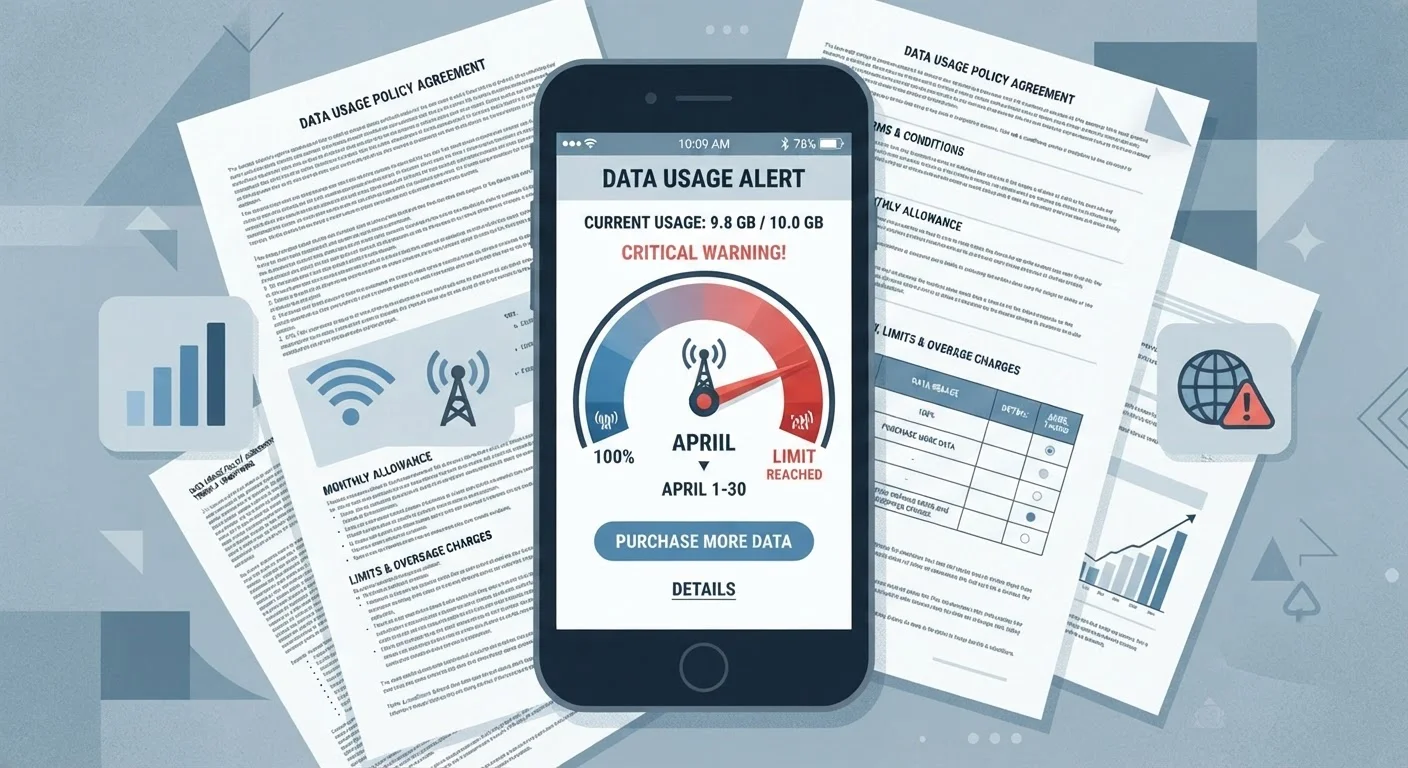
Photo credit: Telecom360.net | Connecting You To The Latest In Telecom
Unlimited data isn't always truly unlimited. Understand deprioritisation, throttling thresholds, and what the fine print usually says.
Key Takeaways
- Unlimited data plans almost always include deprioritisation thresholds that can slow speeds during network congestion.
- Hotspot data included in unlimited plans is typically capped or speed-limited after a defined allotment.
- Video streaming on unlimited plans is frequently throttled to lower resolutions by default.
- Carriers are legally required to disclose network management practices, but disclosures are often buried in fine print.
The Gap Between Marketing and Reality
'Unlimited' is one of the most heavily used - and most consistently misunderstood - terms in mobile plan marketing. The label signals no hard data cap and no overage charges, both of which are true. What it does not signal is unrestricted, full-speed access in all circumstances. Every major US carrier attaches network management policies to its unlimited plans, and those policies directly shape the experience you'll actually have.
The mechanics fall into two categories: throttling (a fixed speed cap applied at all times) and deprioritisation (speed reductions that occur specifically when you're on a congested cell tower). Understanding which applies to your plan - and under what conditions - is the most important thing to check before signing up.
Myth
Unlimited means you can use as much data as you want at full speed, all the time.
Fact
Unlimited plans almost universally include deprioritisation policies that can reduce your speeds when the network is congested, particularly after a set threshold.
The word 'unlimited' refers to the absence of a hard data cutoff - you won't be charged overage fees or have service suspended because you exceeded a gigabyte cap. However, virtually every major US carrier's unlimited plan includes a deprioritisation threshold. Once you exceed that threshold in a billing cycle, your data remains 'unlimited' in volume but can be significantly slowed when you're connected to a congested cell tower. For a plain-language breakdown of these terms, see the Phone Plan Glossary.
Myth
Hotspot data on an unlimited plan is also unlimited.
Fact
Mobile hotspot use on unlimited plans is almost always subject to a separate, much smaller data allotment - often 15 GB to 50 GB - before speeds are throttled.
Carriers treat tethered hotspot data differently from data consumed directly on the device. Most unlimited tiers specify a fixed high-speed hotspot allotment; once exhausted, hotspot speeds are typically reduced to 600 Kbps or less. Only top-tier unlimited add-ons tend to offer larger or unthrottled hotspot buckets, and those usually come at a price premium. This distinction is critical for anyone who regularly works from a laptop using their phone's connection.
Myth
All unlimited plans deliver the same data experience.
Fact
Unlimited plans vary significantly across carriers and tiers in their deprioritisation thresholds, hotspot allotments, video streaming quality caps, and international data access.
Carriers typically offer multiple unlimited tiers - entry-level, mid-tier, and premium - each with different network management rules. Entry-level plans may apply deprioritisation at all times rather than only during congestion. Video streaming is commonly capped at 480p or 720p on lower tiers. Understanding what each plan type actually means can prevent surprises after you've already committed to a contract.
Myth
Deprioritisation and throttling are the same thing.
Fact
Throttling is a fixed speed cap applied regardless of network conditions; deprioritisation reduces your speeds only when the network is congested and other users are competing for bandwidth.
This distinction matters practically. A throttled plan caps your speed at, say, 1.5 Mbps whether the tower is empty or packed. A deprioritised plan may give you full speeds at 3 a.m. in a rural area, but noticeably slow performance at noon in a dense urban environment. Both mechanisms are legitimate network management tools, but they affect your experience in different ways. Why your data slows down before the month ends explores how each is triggered in detail.
Myth
Carriers don't have to disclose when or how they manage data speeds.
Fact
Under FCC transparency rules, carriers are required to publicly disclose their network management practices, though these disclosures are often technical and difficult to locate.
The FCC's broadband transparency requirements obligate carriers to publish their network management policies, including any throttling or deprioritisation practices. In practice, these disclosures frequently appear in lengthy terms-of-service documents or supplemental policy pages rather than in marketing materials. Consumers who want the full picture often need to search specifically for a carrier's 'network management disclosure' rather than relying on plan comparison pages. For more on what carriers are permitted to do, see what carriers can do to your data speed.
What the Fine Print Usually Says
Carrier disclosures for unlimited plans typically cover four variables: the deprioritisation threshold (measured in gigabytes per billing cycle), the hotspot allotment, the video streaming resolution cap, and any international data terms. Entry-level unlimited plans frequently deprioritise data at all times, not just during congestion - a detail that only appears in the network management disclosure, not the plan summary page.
22 GB-100 GB
Typical deprioritisation threshold range across major carrier unlimited tiers
Carriers publish their specific thresholds in network management disclosures; the range varies significantly between entry-level and premium unlimited tiers.
600 Kbps
Common hotspot fallback speed after high-speed allotment is exhausted
Most major US carrier plan terms specify 600 Kbps as the default reduced hotspot speed once the included high-speed tethering bucket is depleted.
480p-720p
Default video streaming cap on many entry and mid-tier unlimited plans
Carriers frequently apply video optimisation (resolution throttling) by default on lower unlimited tiers, requiring an upgrade or manual opt-out for HD streaming.
Business subscribers should pay particular attention to how international data is handled, since unlimited domestic plans rarely extend meaningful high-speed access abroad. The fine print for enterprise plans can be especially complex - for a detailed look at what business plans typically include, see international coverage in enterprise plans.
Always Read the Network Management Disclosure
Before committing to an unlimited plan, locate the carrier's network management disclosure - not just the plan marketing page. This document specifies your exact deprioritisation threshold, hotspot allotment, and any video streaming caps. These terms are legally required to be published but are rarely surfaced during the sign-up process. Comparing disclosures across tiers is the most reliable way to evaluate what you're actually purchasing.

Author
Phone Plans Editorial Team
Phone Plans Editorial Team is the collective byline for our editorial team and contributor network. Articles published under this byline or an editorial pen name are researched, written, and reviewed according to our editorial standards for clarity, consistency, and independence before publication.
View all articles →