Topics
Search
Enter at least 3 characters
Compare major US carriers on price, coverage, and perks.
Updated daily · 15 stories
By Phone Plans Editorial Team · 8 min read
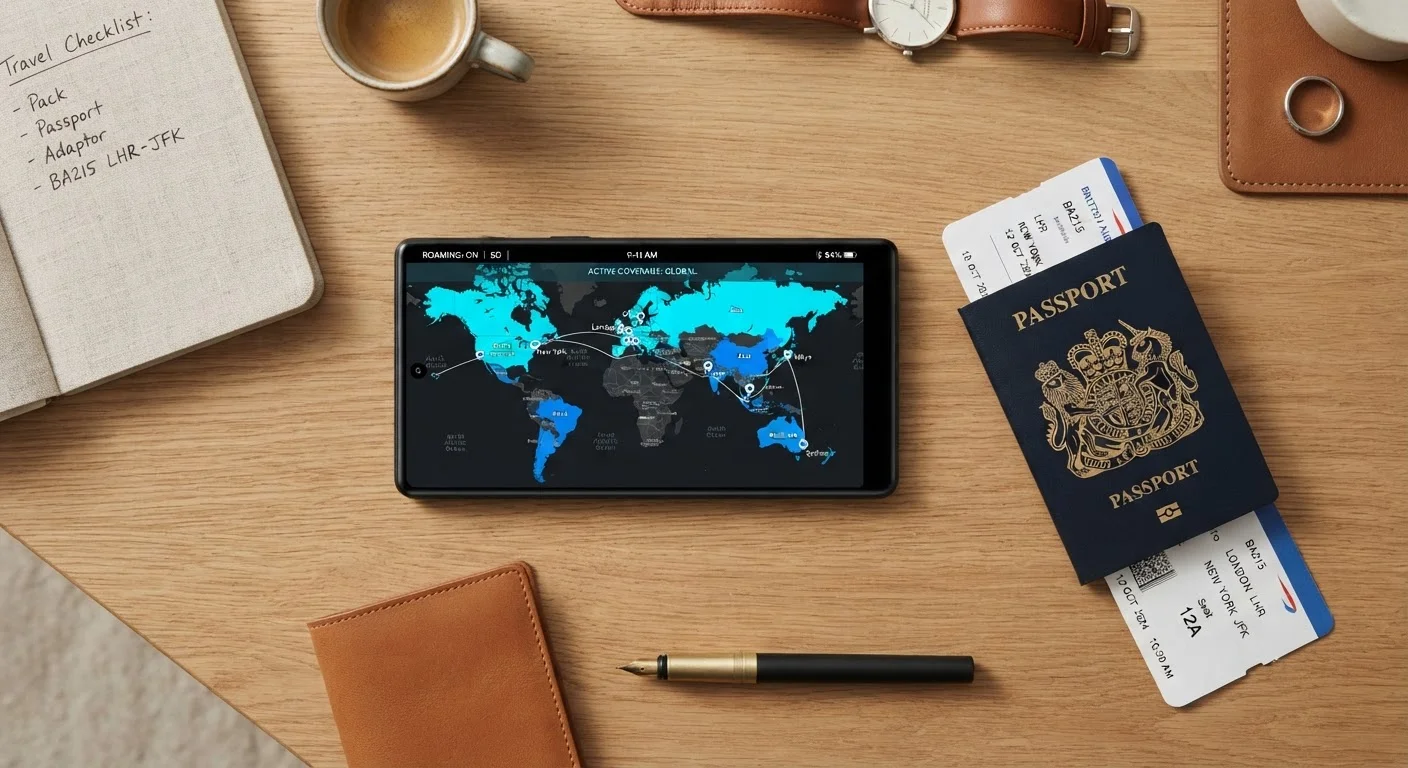
Not all carrier international plans work the same way. Compare how the major US carriers handle roaming, data speeds, an…
Data throttling and deprioritization are real but often misunderstood. Here's what carriers are allowed to do and when i…
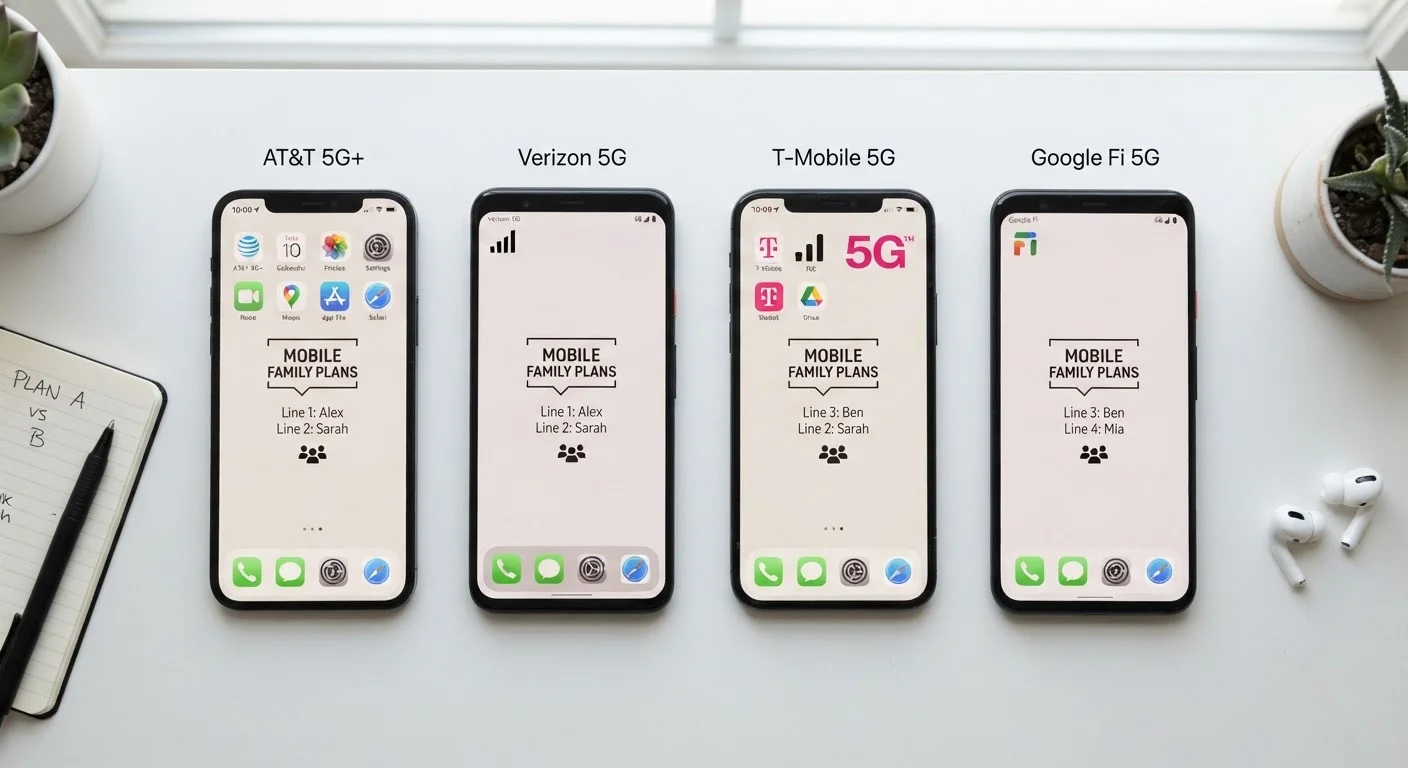
Multi-line discounts look similar across carriers but differ significantly in how they apply. A structured breakdown for…
Mobile virtual network operators use major carrier infrastructure. Learn how they work, what they trade off, and who the…
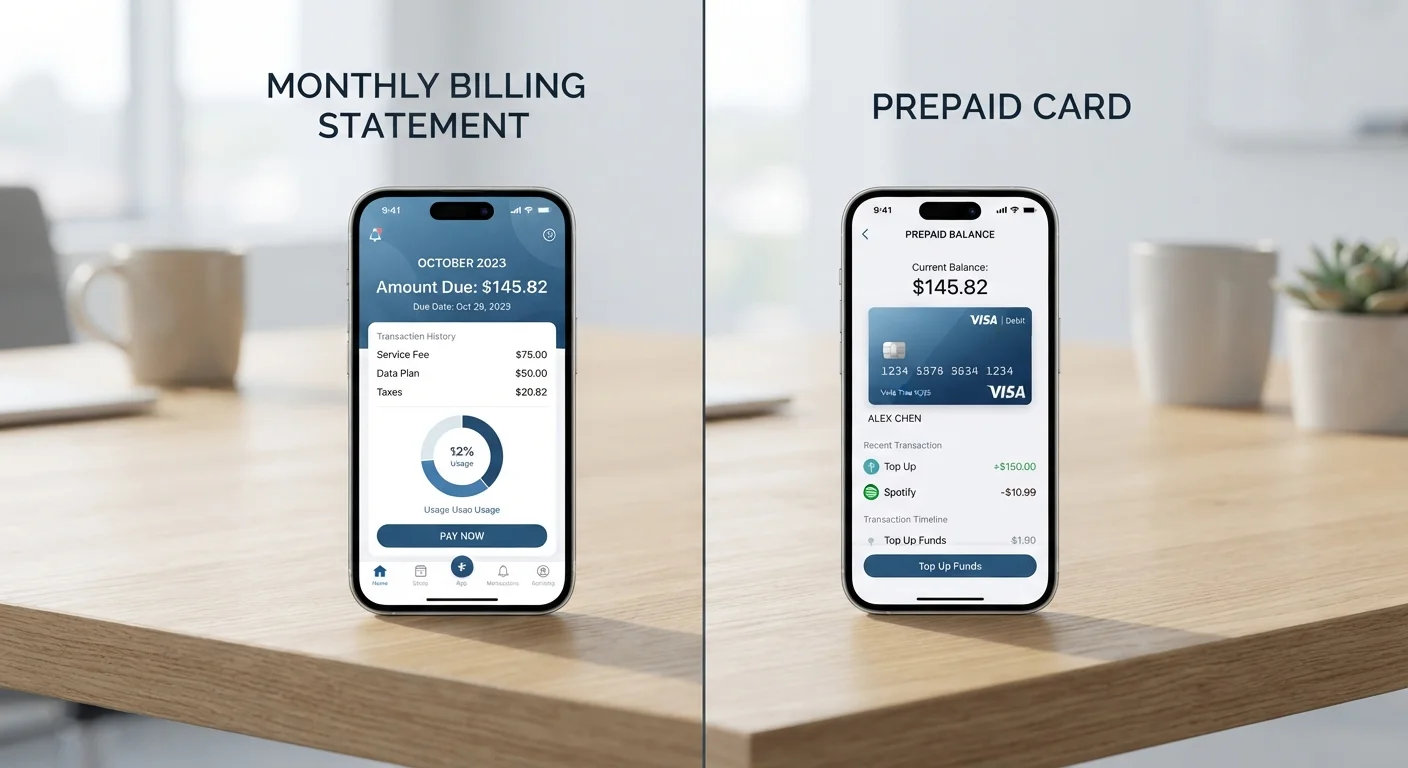
Postpaid and prepaid aren't just billing formats. Here's what actually differs in priority, perks, and network access be…
Marketing maps and real-world rural signal often diverge. Here's how Verizon, AT&T, and T-Mobile compare where populatio…
Number portability is a legal right in the US. Here's exactly how to transfer your number to a new carrier without servi…
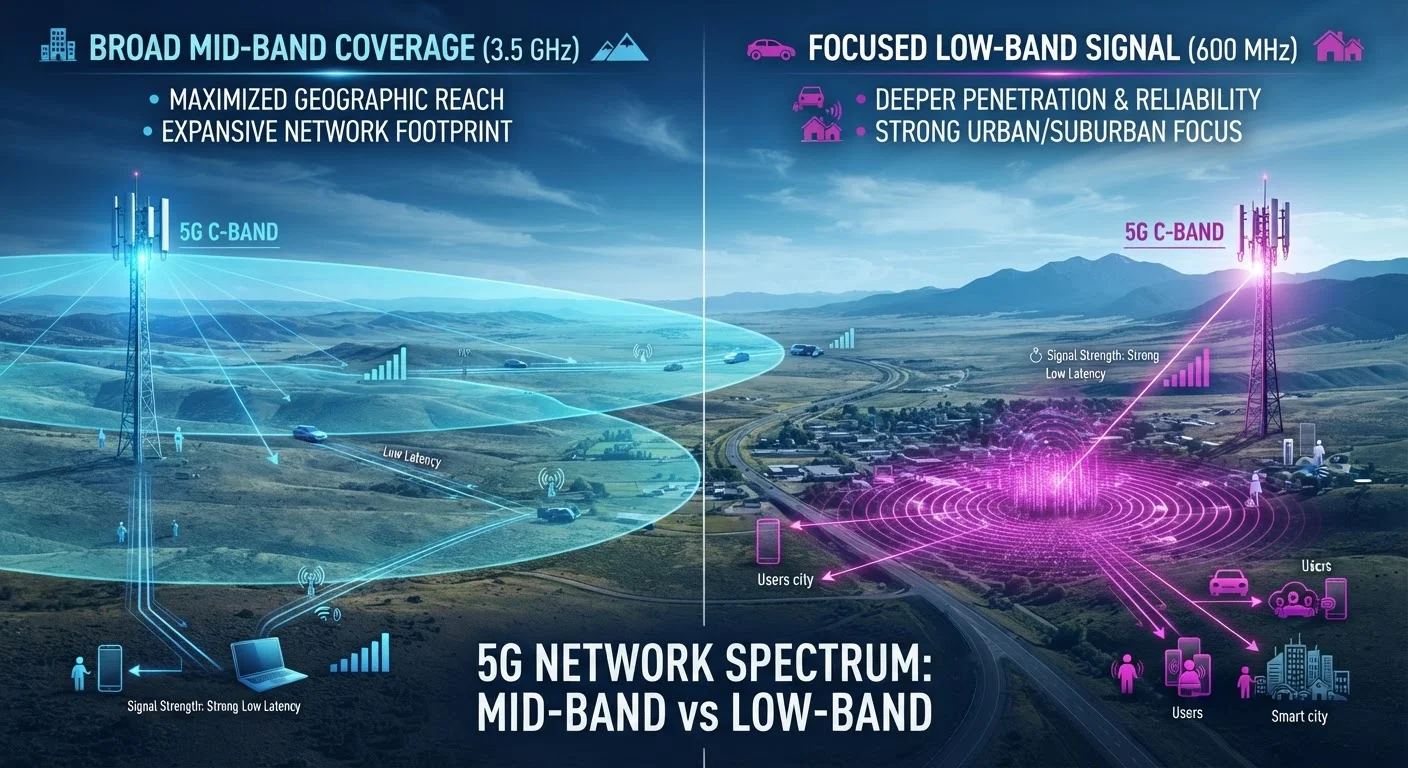
T-Mobile leads in 5G breadth; Verizon emphasizes reliability. A side-by-side look at how their 5G strategies affect ever…
Understand the structural differences between the three major US carriers—spectrum holdings, tower density, and what tha…
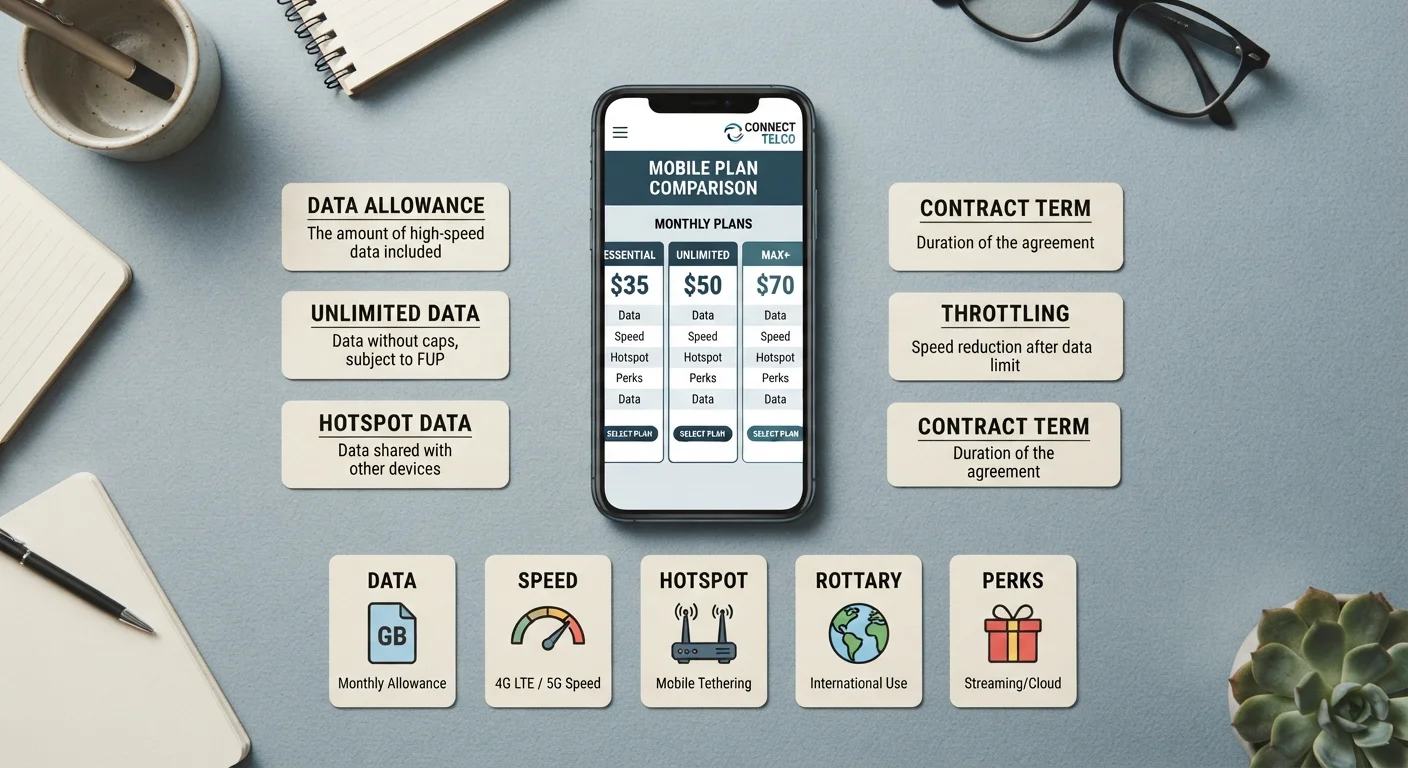
Autopay discounts, hotspot allotments, priority data caps—a plain-language glossary of the terms that appear in every US…
Coverage maps show potential signal, not guaranteed experience. Debunking the most common misreadings that lead to plan …
Streaming subscriptions, hotspot data, and international texting—a breakdown of which bundled carrier perks deliver real…
From device compatibility to contract end dates, here's everything worth verifying before you port your number to a new …
MVNOs sit lower in network priority queues. Here's when that causes real slowdowns, when it doesn't, and how to assess t…