
What Carrier Plan Perks Are Actually Worth Using
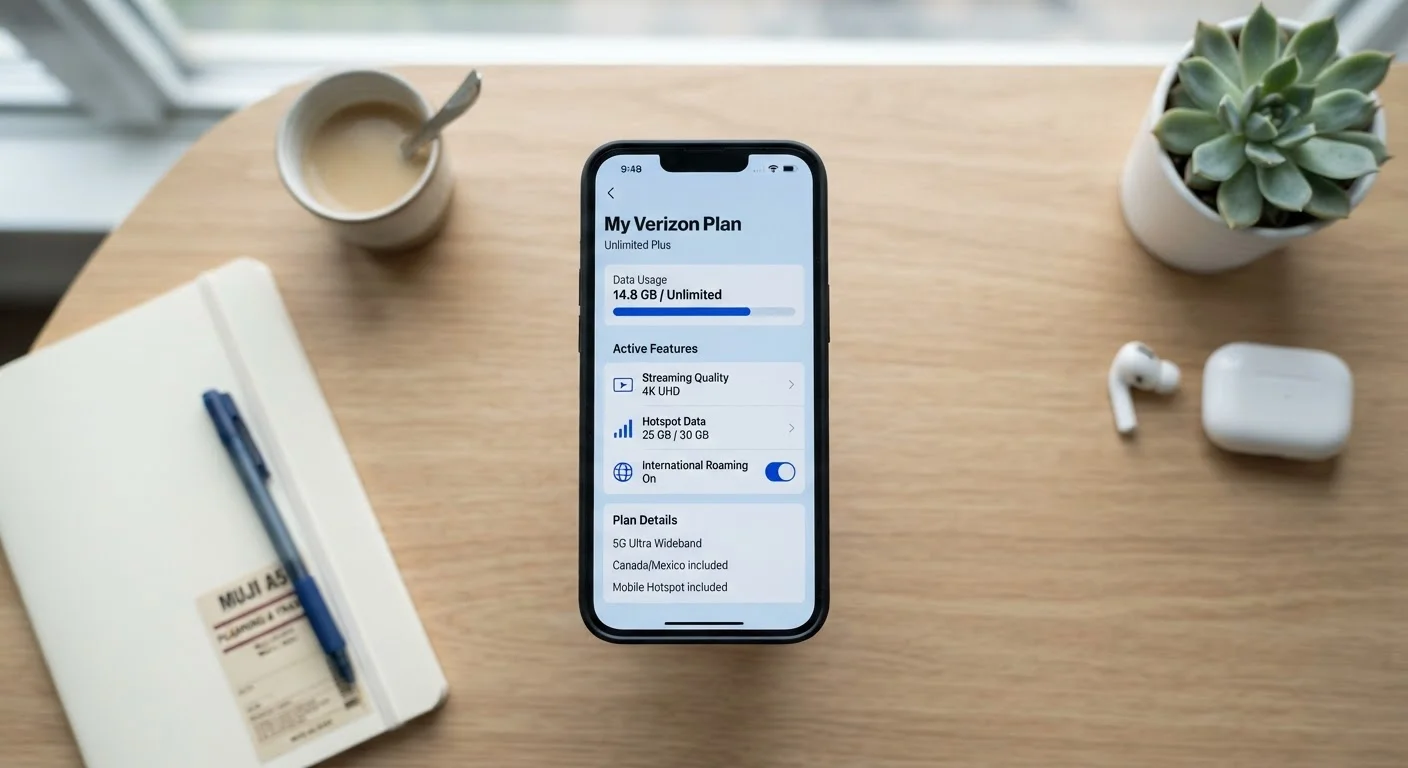
Photo credit: Telecom360.net | Connecting You To The Latest In Telecom
In this article
Streaming subscriptions, hotspot data, and international texting—a breakdown of which bundled carrier perks deliver real value and which go unused.
Key Takeaways
- Streaming subscriptions bundled with carrier plans often go unused, negating their perceived monthly value.
- Mobile hotspot allotments vary significantly in speed and data cap between premium and standard tiers.
- International texting is widely included, but voice and high-speed data abroad require careful plan review.
- Autopay and paperless billing discounts are among the most consistently redeemable perks across all carriers.
- MVNOs rarely bundle entertainment perks but may offer better per-dollar value for data and calls.
Why Carrier Perks Look Better on Paper
When carriers advertise unlimited plans, the headline price is rarely the whole story. Bundled perks - streaming subscriptions, cloud storage, international messaging, device protection, and hotspot data - are positioned as value multipliers that justify premium monthly rates. In practice, research from multiple consumer watchdog organizations consistently finds that a significant share of subscribers never activate or regularly use these add-ons.
Understanding which perks deliver measurable, repeatable value requires separating what's genuinely useful from what's structurally difficult to use. The carrier plan terminology glossary is a useful starting point for decoding the fine print around allotments, throttling thresholds, and eligibility conditions that govern most perks.
Perk details change frequently
Carrier perk bundles change with plan updates, and services you activated months ago may have shifted terms or been replaced. This breakdown covers general perk categories common across major US carriers and MVNOs. Specific perk availability, terms, and included services change regularly - always verify current details directly with your carrier before making plan decisions.
This breakdown covers general perk categories common across major US carriers and MVNOs. Specific perk availability, terms, and included services change regularly - always verify current details directly with your carrier before making plan decisions.
The Perks Worth Prioritizing
Autopay and paperless billing discounts
Across Verizon, AT&T, T-Mobile, and most MVNOs, enrolling in autopay and paperless billing typically unlocks a per-line monthly discount - commonly in the $5-$10 range per line. Unlike entertainment bundles, this perk requires no ongoing management after initial setup and applies immediately to every billing cycle.
This is the single most universally redeemable perk in the carrier ecosystem. The discount is applied automatically, has no usage threshold, and doesn't depend on a third-party service remaining in the bundle. Verify that your payment method qualifies - some carriers limit the full discount to debit cards or bank accounts rather than credit cards.
Autopay discounts activate once and pay off every billing cycle with no ongoing effort required.
Mobile hotspot data allotments
Hotspot data is one of the most practically useful perks on premium unlimited tiers, allowing subscribers to tether laptops or tablets to their phone's cellular connection. However, the quality varies considerably: premium plans on major carriers often include a defined high-speed hotspot allotment (ranging from roughly 15GB to 50GB or more, depending on the tier) before speeds are deprioritized or throttled.
The key variable is what happens after the high-speed allotment is exhausted. Some plans reduce hotspot speeds to 600 Kbps - functional for email but inadequate for video calls. Others reduce to 3G-equivalent speeds. If hotspot usage is central to your workflow, compare the high-speed cap and post-cap speed, not just whether hotspot is included.
High-speed hotspot caps matter far more than whether hotspot access is included at all.
Streaming service subscriptions
Major carriers bundle streaming subscriptions - video, music, and in some cases gaming platforms - as differentiated perks on their premium tiers. The value proposition is straightforward: if you already pay for a subscription independently, having it included in your plan represents a genuine monthly saving.
The complication is that the specific services bundled shift over time as carrier licensing agreements change. Subscribers who don't use the bundled service - or who prefer a competitor platform - receive no benefit. Before factoring a streaming perk into your plan comparison, check whether the included service is one you actively use or would pay for separately. A structured framework for evaluating carrier plans can help you weight this perk appropriately against other plan variables.
A streaming bundle only adds value if you would have paid for that service independently.
International texting and basic data roaming
Most postpaid unlimited plans from major US carriers include international texting to a wide range of countries at no additional per-message cost. Many also include basic international data roaming, though speeds are often capped at 2G or low-speed equivalents unless you're on a premium tier or have purchased a day pass.
For occasional travelers who primarily need to send messages and check maps abroad, this perk is legitimately useful. For those who need reliable high-speed data internationally - especially for business use - the baseline roaming benefit frequently falls short. Reviewing the specifics of carrier international travel coverage before a trip helps set accurate expectations about what's included versus what requires an add-on purchase.
International texting is widely included; high-speed roaming data almost always requires extra steps or costs.
Device protection and extended warranty plans
Carrier-offered device protection plans bundle screen repair, loss, theft, and accidental damage coverage into a monthly add-on, typically ranging from around $7 to $18 per month per device. Compared with manufacturer warranties or third-party insurance options, carrier plans offer the convenience of single-bill management and often guarantee same-day or next-day device replacement.
The value depends entirely on your device's replacement cost and your personal risk tolerance. For high-cost flagship devices, protection plans can be cost-effective if a claim is ever filed. For mid-range or budget devices where the replacement cost is modest, the cumulative monthly premiums may exceed the device's value over a standard two-year ownership period. Run the math on your specific device before enrolling.
Device protection value depends on your phone's replacement cost relative to cumulative monthly premiums.
Cloud storage allotments
Some carrier plans include cloud storage credits or subscriptions as bundled perks. These are among the lowest-utilized add-ons, in part because subscribers often already use platform-native storage (iCloud for iPhone users, Google One for Android) and find carrier-specific storage solutions redundant or requiring additional app setup.
If the storage platform aligns with services you already use, the perk has real utility. If it requires migrating data to an unfamiliar service, the friction typically means the perk goes unused. Check whether the included storage integrates with your existing device ecosystem before treating it as a line-item saving in your plan comparison.
Cloud storage perks are only useful if they integrate with storage services you already rely on.
Set a calendar reminder to audit perks
Carrier perk bundles change with plan updates, and services you activated months ago may have shifted terms or been replaced. Setting a quarterly reminder to log into your carrier's perks portal takes under five minutes and ensures you're capturing available value. It also surfaces new inclusions you may have missed when they were added to your plan tier.
How to Audit What You're Actually Using
Before renewing or upgrading a plan, it's worth running a simple audit: log into your carrier account and check which bundled services you've activated in the past 90 days. Most carriers now provide a perks dashboard that shows activation status. If a streaming subscription remains dormant or a cloud backup service is unconfigured, those perks represent zero marginal value.
Subscribers on prepaid or MVNO plans face a different calculus. These plans rarely bundle entertainment services, but they often deliver stronger per-gigabyte value on core data. The differences between postpaid and prepaid plans extend well beyond billing cycles - priority data access and perk eligibility are meaningfully different between the two structures. For practical data management strategies, the guide on getting the most from a prepaid plan offers actionable usage habits that apply regardless of carrier.
Ultimately, the most valuable perk is one you'll use consistently. A $15-per-month streaming credit only outperforms a competitor plan if you would have paid for that subscription independently. For teams or frequent travelers, the analysis shifts - reviewing international coverage terms in enterprise plans reveals how roaming perks that seem generous can carry hard data caps or speed restrictions that limit real-world utility.

Author
Phone Plans Editorial Team
Phone Plans Editorial Team is the collective byline for our editorial team and contributor network. Articles published under this byline or an editorial pen name are researched, written, and reviewed according to our editorial standards for clarity, consistency, and independence before publication.
View all articles →