
Postpaid vs. Prepaid Carrier Plans: What Changes Beyond the Payment Schedule
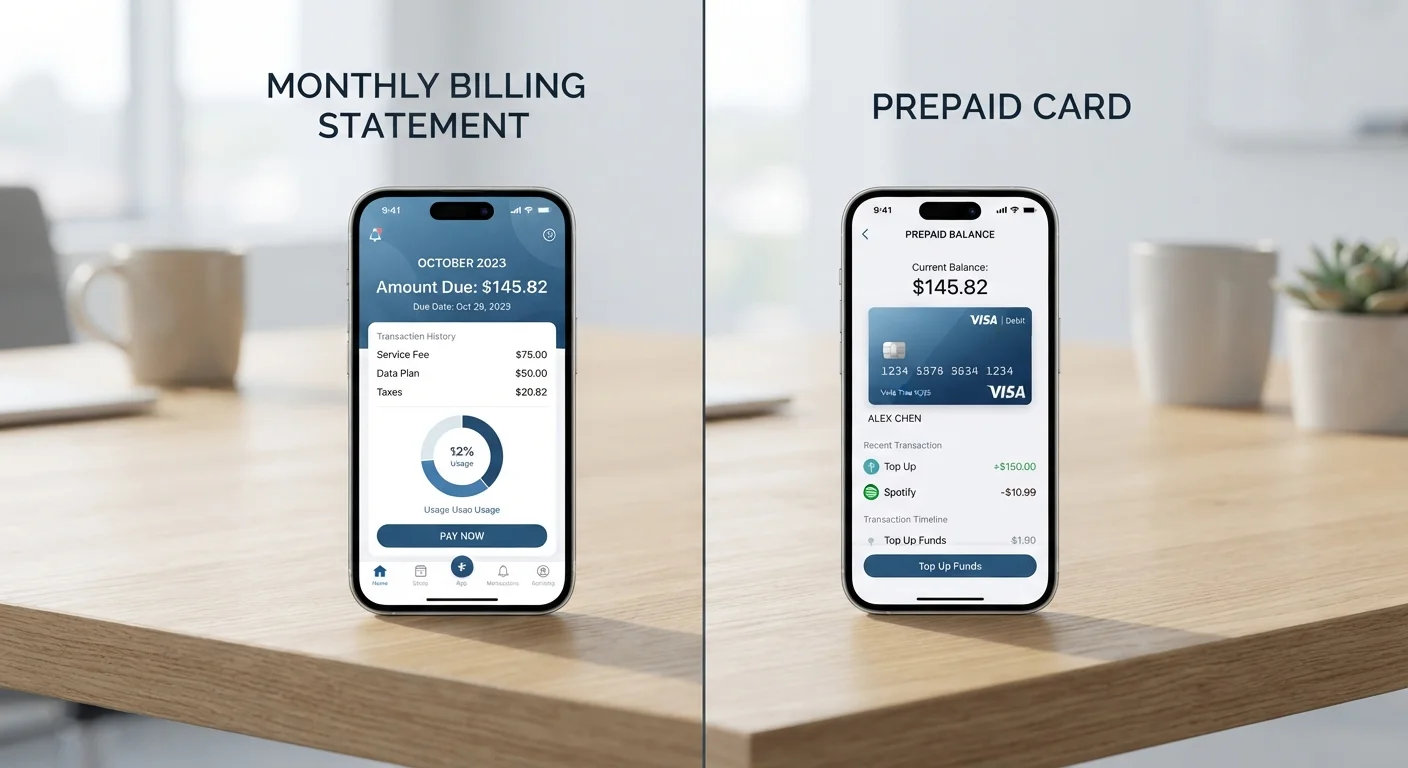
Photo credit: Telecom360.net | Connecting You To The Latest In Telecom
In this article
Postpaid and prepaid aren't just billing formats. Here's what actually differs in priority, perks, and network access between the two.
Key Takeaways
- Postpaid subscribers typically receive higher network priority than prepaid users on the same carrier infrastructure.
- Prepaid plans require no credit check, making them accessible to a broader range of customers.
- Bundled perks like streaming subscriptions and international roaming are far more common on postpaid tiers.
- MVNOs use major carrier networks but are deprioritized relative to both postpaid and native prepaid customers.
- Device financing and phone installment plans are generally exclusive to postpaid accounts.
- Prepaid plans offer stronger spending predictability with no surprise overage charges.
Network Priority: The Difference That Shows Under Pressure
The most consequential distinction between postpaid and prepaid isn't the billing cycle - it's where you sit in the carrier's traffic queue. All three major US carriers (Verizon, AT&T, and T-Mobile) practice network management, which means that when a tower is congested, some customers get throttled before others.
Postpaid subscribers on premium unlimited tiers generally receive the highest priority. Native prepaid customers on the same carrier's own prepaid brand occupy a middle tier. MVNO customers - those on services like Mint Mobile or Visible that lease network capacity - typically sit at the bottom of the priority stack, even when they're technically using the same towers.
In practice, this rarely matters during off-peak hours. But in dense venues - stadiums, airports, downtown areas during peak commute times - prepaid and MVNO users are more likely to experience speed reductions before postpaid customers feel any impact. For a fuller picture of how coverage and network management interact, see the Coverage & Network hub.
| Criterion | Postpaid | Prepaid |
|---|---|---|
| Network priority | Highest tier (carrier-dependent) | Mid or low tier; MVNOs lowest |
| Credit check required | Yes | No |
| Device financing | Available via installment plans | Generally not available |
| Bundled streaming perks | Common on premium tiers | Rare or absent |
| International roaming | Often included or available | Limited; varies by carrier |
| Hotspot data | Larger allocations on higher tiers | Smaller or no allocation |
| Contract or commitment | Device installment = soft lock-in | None; month-to-month |
| Billing predictability | Monthly bill can vary | Fixed cost paid upfront |
Perks, Add-Ons, and Bundled Value
Postpaid plans - particularly at higher unlimited tiers from Verizon, AT&T, and T-Mobile - routinely bundle streaming service subscriptions, premium international roaming options, larger mobile hotspot allocations, and device protection plans. These inclusions are designed to justify the higher monthly cost and are rarely replicated on prepaid tiers.
Prepaid plans, by contrast, tend to strip perks back to the essentials: a data allotment, talk, and text. Some carrier-owned prepaid brands do include limited hotspot data, but streaming subscriptions and robust international access are uncommon. MVNOs occasionally offer competitive perks - Wi-Fi calling, international texting - but rarely match the depth of postpaid premium packages.
The question of whether bundled perks represent real value is worth examining closely. Our coverage of carrier plan perks worth using breaks down which inclusions are genuinely useful versus those that go largely untouched.
~40%
US wireless subscribers on prepaid plans
According to GSMA Intelligence data, prepaid accounts represent a substantial share of US mobile subscriptions, driven largely by MVNO growth.
3
Priority tiers on major carrier networks
Most major US carriers operate at least three distinct deprioritization tiers: postpaid premium, native prepaid, and MVNO customers.
$20-$50
Typical monthly savings with prepaid vs. postpaid
Cost comparisons across similar data allotments frequently show prepaid or MVNO options running materially lower than equivalent postpaid plans, though perks vary.
Credit, Contracts, and Flexibility
Postpaid accounts require a credit check. Carriers use this to extend device financing - installment plans that spread phone costs across 24 or 36 months - and to establish billing trust. Poor credit may result in a deposit requirement or disqualification from financing offers. Contracts in the traditional sense are largely gone, but device installment agreements create a de facto commitment: leaving early means paying off the remaining device balance.
Prepaid plans require no credit check and carry no long-term obligation. You pay for service before using it, and you can stop at any time without financial penalty. This makes prepaid the structurally simpler and lower-risk option for those who either can't or don't want to engage with credit-based billing. For a structured comparison of how these billing models actually operate day to day, see how prepaid and postpaid billing structures differ.
If you're weighing a switch, it's worth reviewing what to check before porting your number before making any changes. And for a broader look at how these plan categories fit into the wider landscape, the guide to plan type terminology provides useful grounding.
MVNO Customers: A Third Category
Mobile Virtual Network Operators (MVNOs) are companies that lease capacity from major carriers rather than operating their own towers. They offer prepaid-style billing with no contracts, but their network priority is typically lower than both postpaid and carrier-branded prepaid customers. If consistent performance during congestion is important, this distinction matters. See the full plan type comparison for how MVNOs fit alongside other plan categories.

Author
Phone Plans Editorial Team
Phone Plans Editorial Team is the collective byline for our editorial team and contributor network. Articles published under this byline or an editorial pen name are researched, written, and reviewed according to our editorial standards for clarity, consistency, and independence before publication.
View all articles →