Search
Enter at least 3 characters
Understand 5G, LTE, and rural coverage differences across carriers.
Updated daily · 15 stories

By Phone Plans Editorial Team · 8 min read
A lookup guide to mobile frequency bands — what each range covers, how it performs indoors and outdoors, and why your de…
Good coverage doesn't always mean fast data. Understand how carrier aggregation and network congestion shape your real-w…
From health fears to blanket speed promises, 5G attracts plenty of misinformation. Here's what the evidence actually say…
From trusting maps at face value to assuming 5G is everywhere, these common coverage misconceptions lead to frustrating …
A comprehensive guide to understanding, testing, and verifying network coverage before committing to any phone plan.…
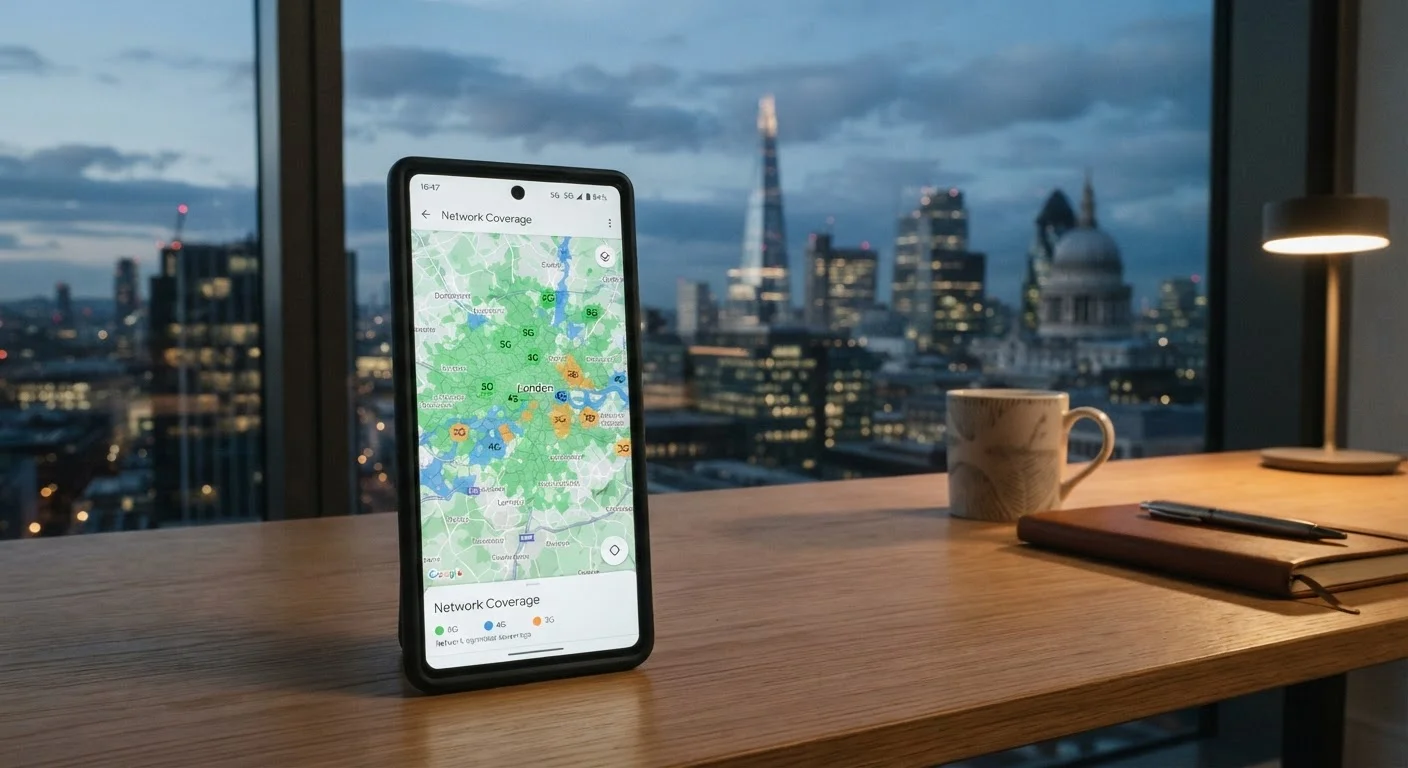
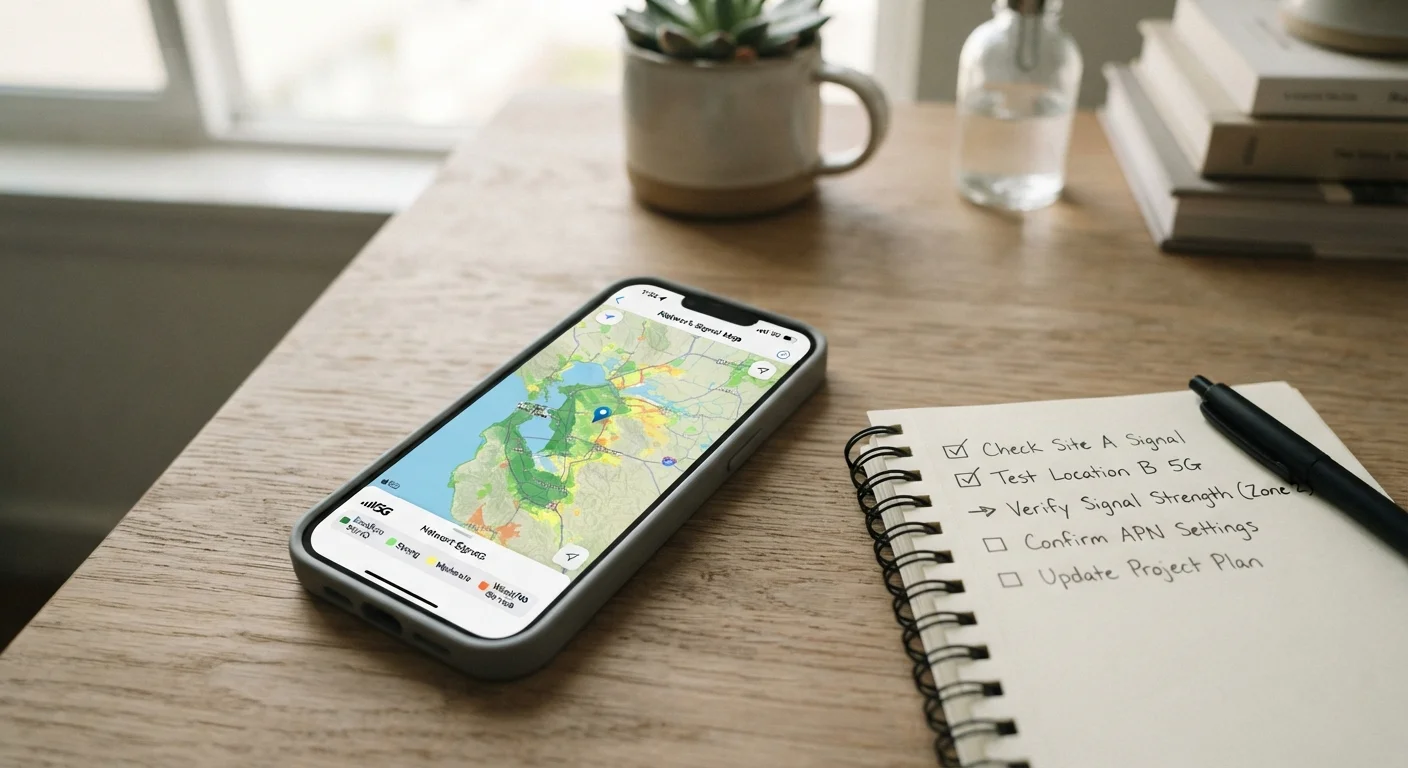
Carrier coverage maps look authoritative, but they're built on models, not measurements. Learn what they show, what they…
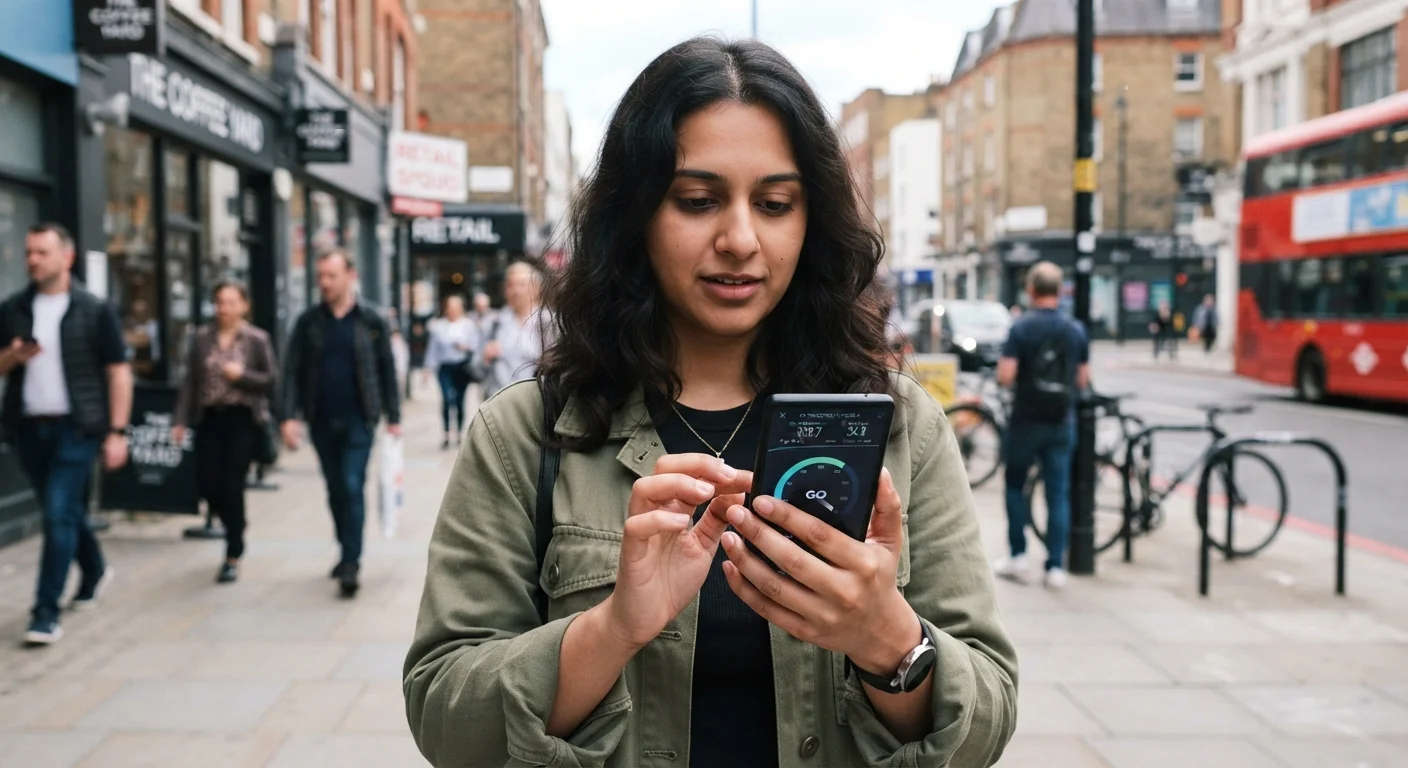
Don't rely on maps alone. Follow these practical steps to test actual signal quality, data speeds, and call reliability …
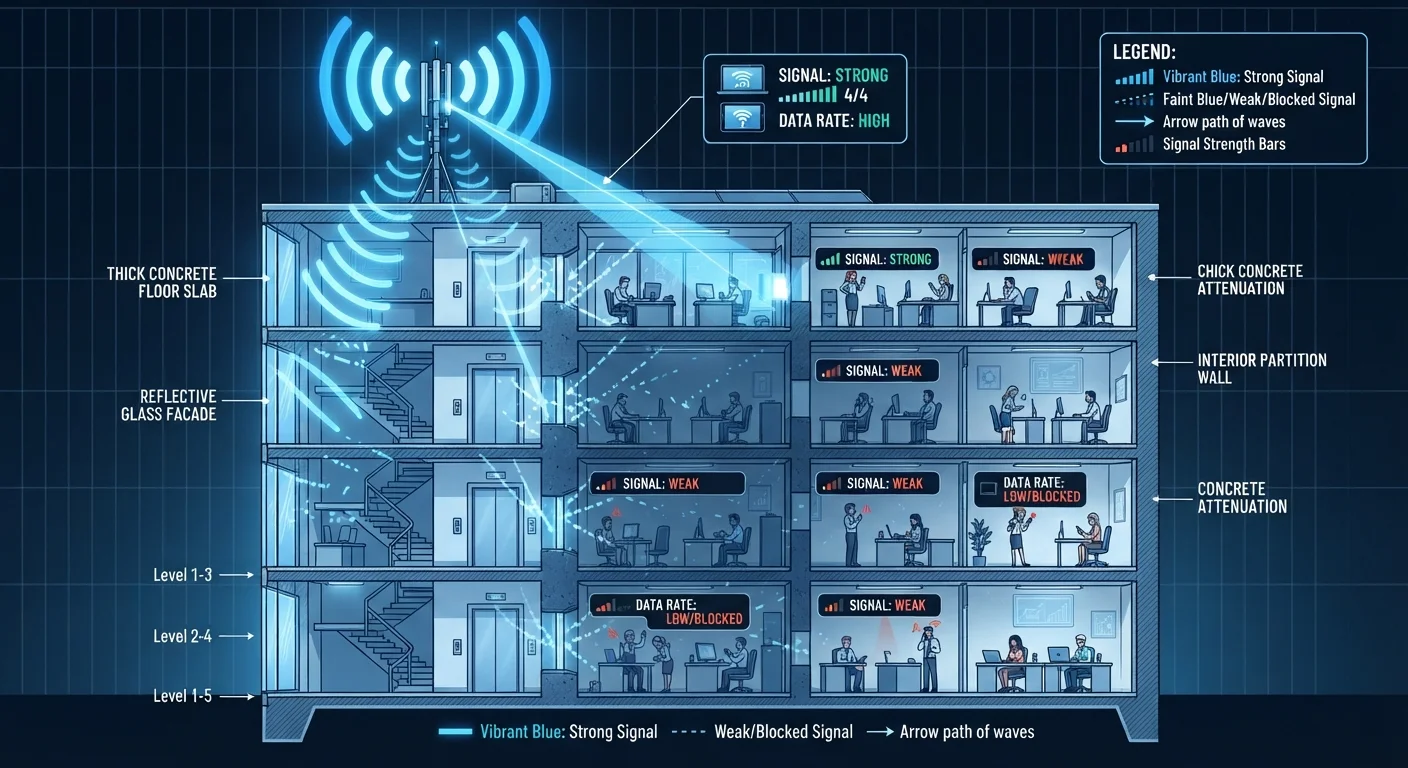
Walls, windows, and building materials can cripple mobile signals. Here's the physics behind indoor dead zones and the p…
Rural connectivity gaps persist despite carrier promises. Explore the infrastructure reasons behind patchy rural coverag…
Roaming keeps you connected away from your carrier's network, but it works differently from home coverage. Here's what's…
Signal bars are more symbolic than scientific. Understand what they actually measure, why they vary by device, and what …
Sub-6GHz and mmWave 5G behave very differently in the real world. Here's what sets them apart and why it matters where y…
5G rollout is heavily skewed toward dense cities. Here's a technical and practical look at why rural users often see a v…
Use this checklist to independently verify a carrier's coverage promises — from map methodology to speed test data and t…