Search
Enter at least 3 characters
Learn how smartphone cameras and media features work under the hood.
Updated daily · 15 stories

By Smartphones Editorial Team · 8 min read
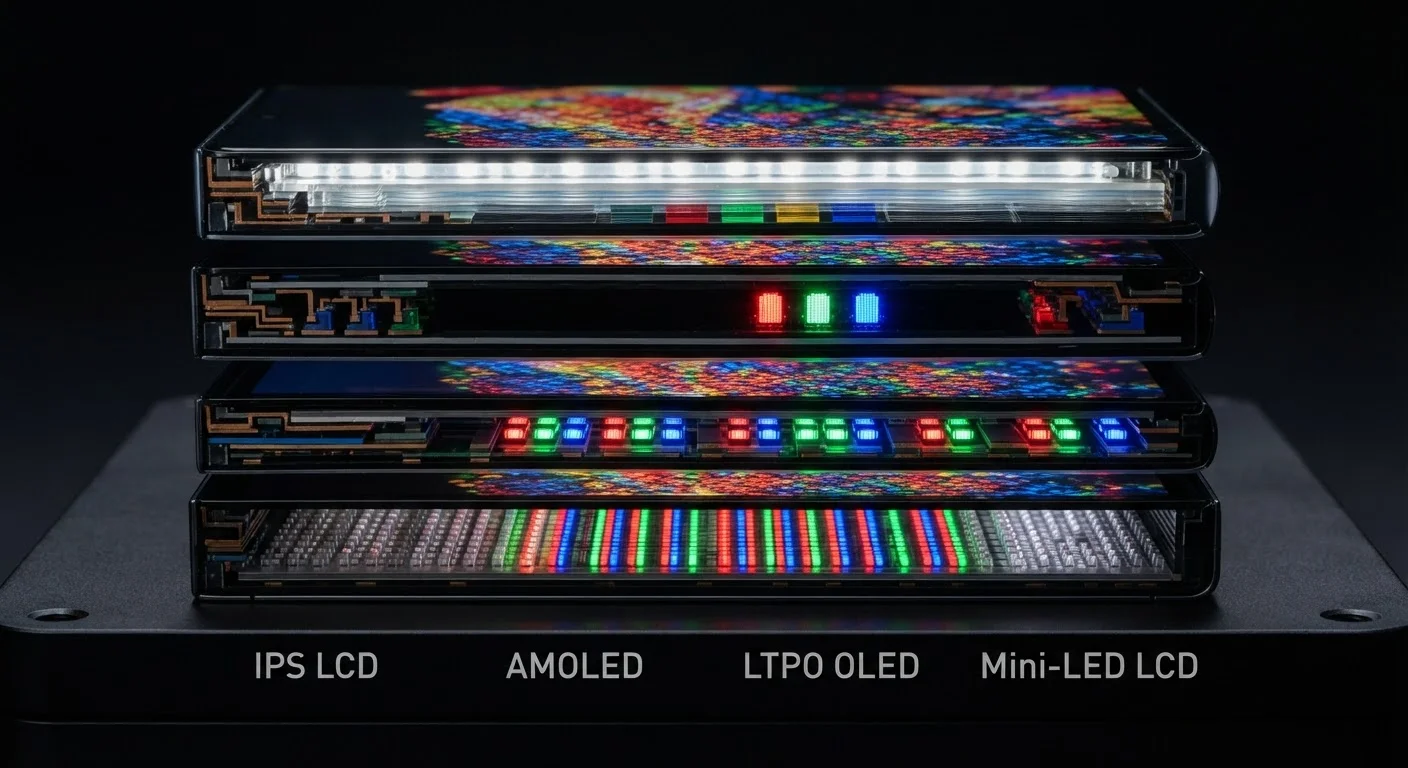
Each display technology makes different trade-offs in contrast, power use, and outdoor visibility. This comparison maps …
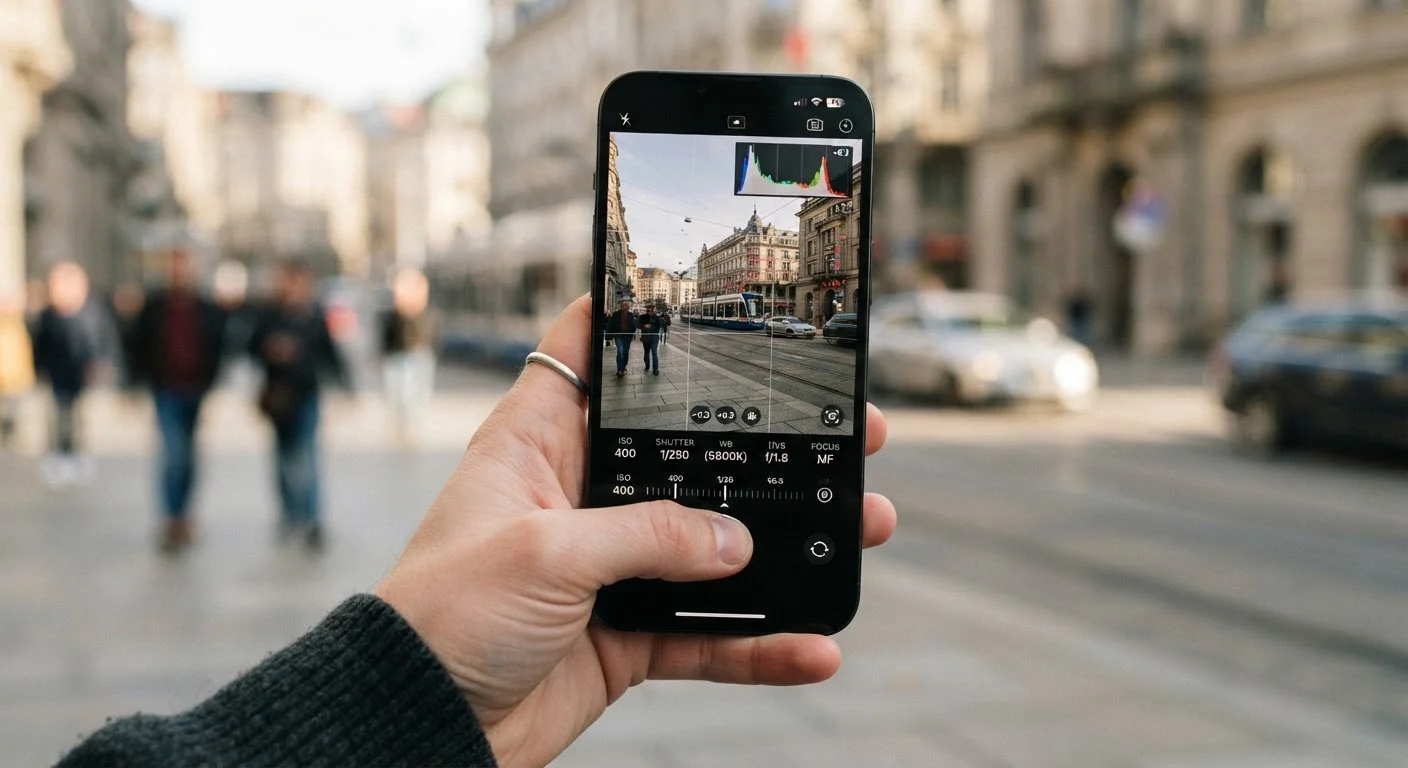
ISO, shutter speed, white balance, and focus can be dialled in manually on most modern phones. Here's how each control s…
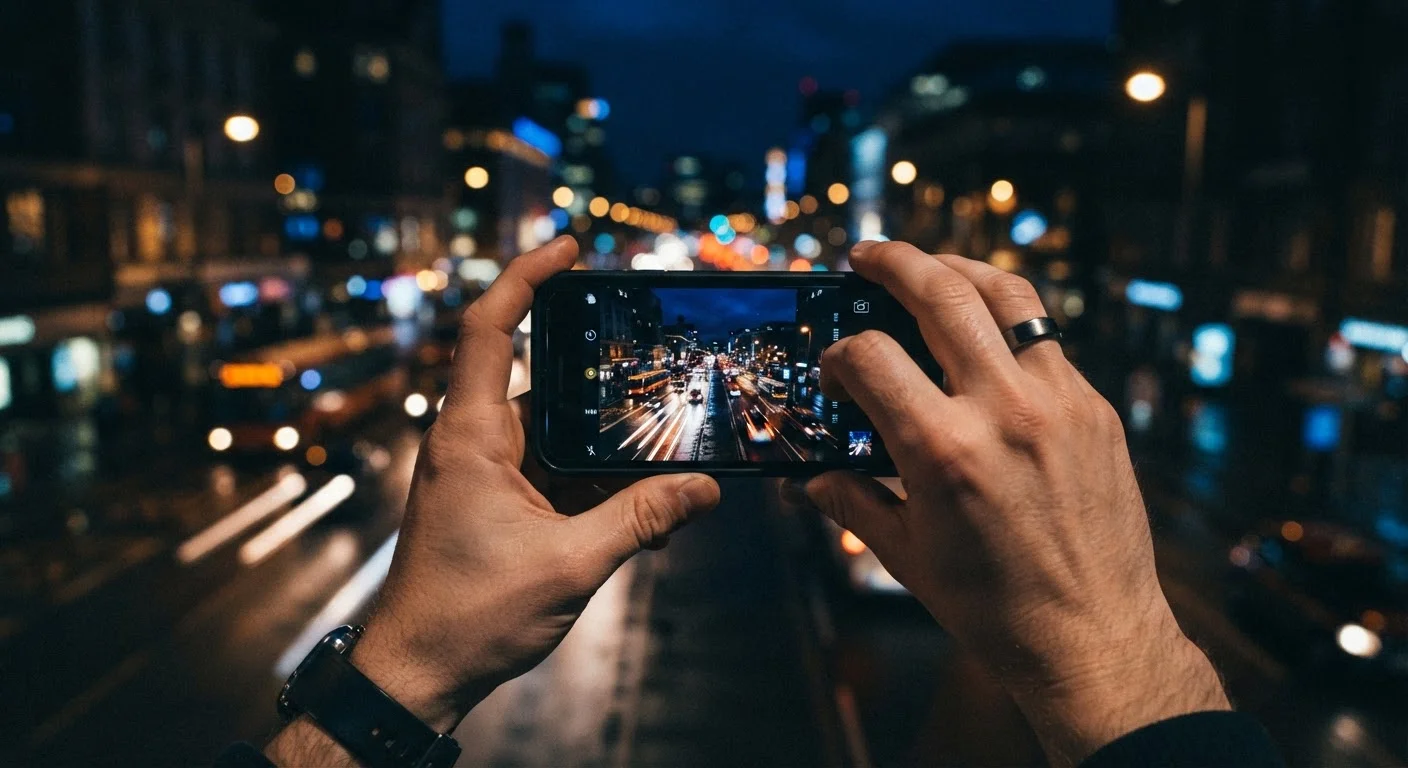
Night mode isn't just a brightness boost. Discover how multi-frame stacking and noise reduction work together for low-li…
Optical and digital zoom produce very different results. Here's the technical difference and why it matters for long-dis…
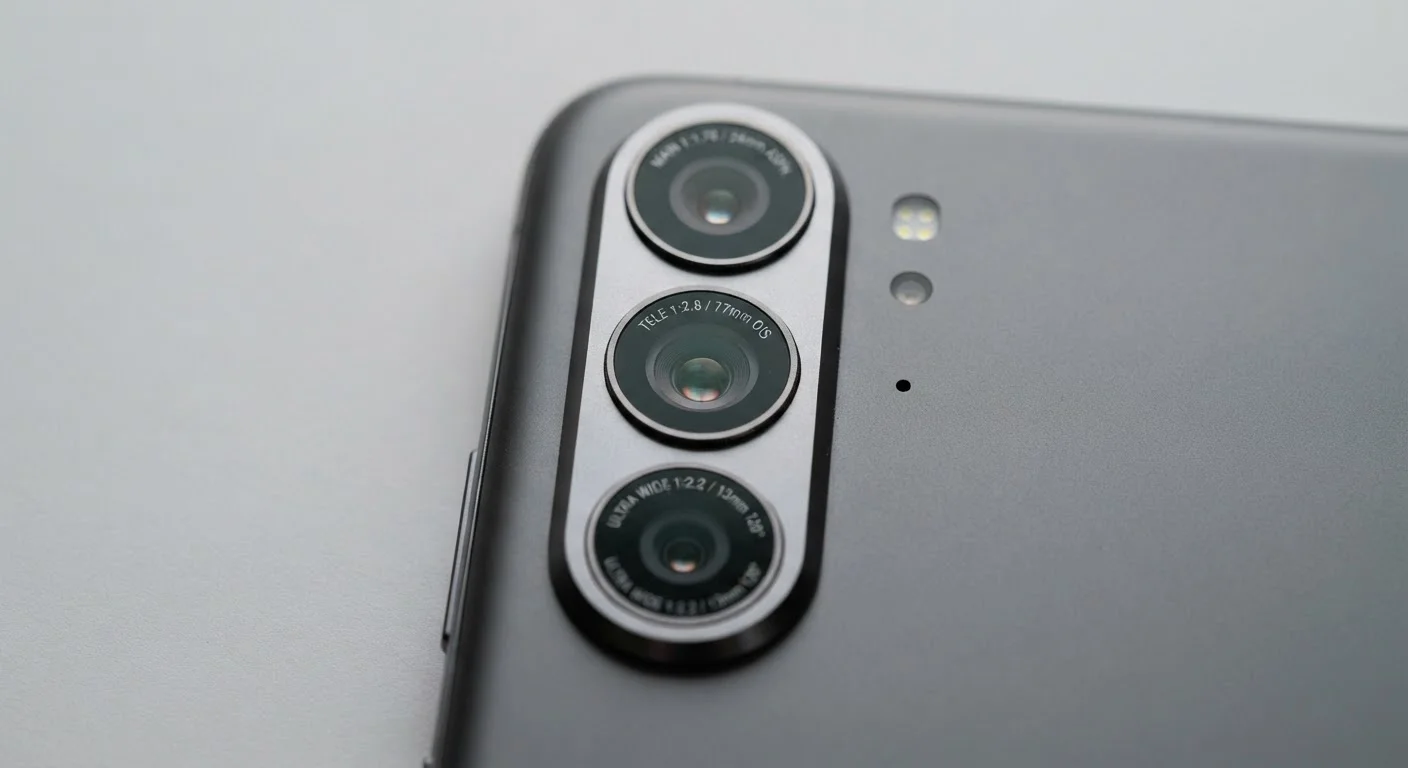
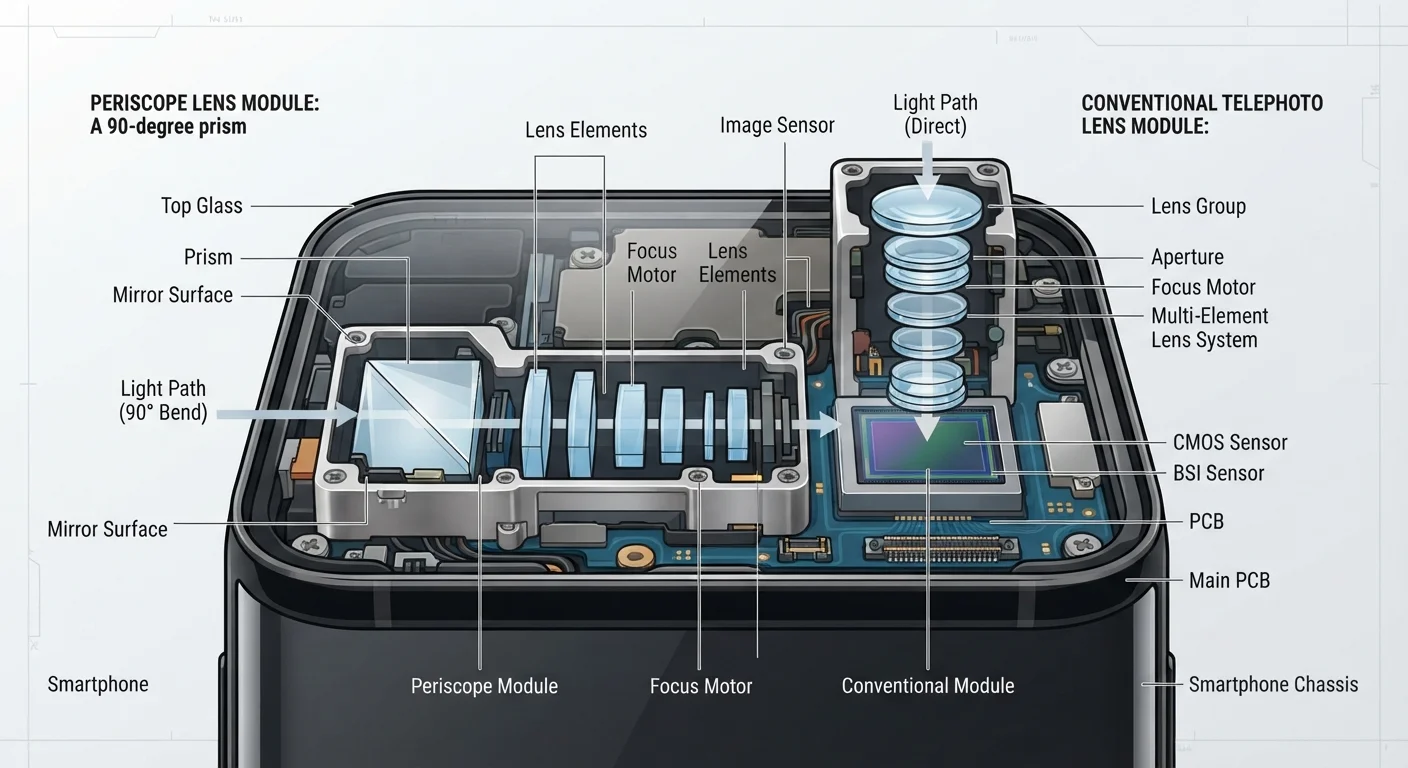
Periscope lenses achieve higher optical zoom in a slim body. See how they differ from conventional telephoto modules and…
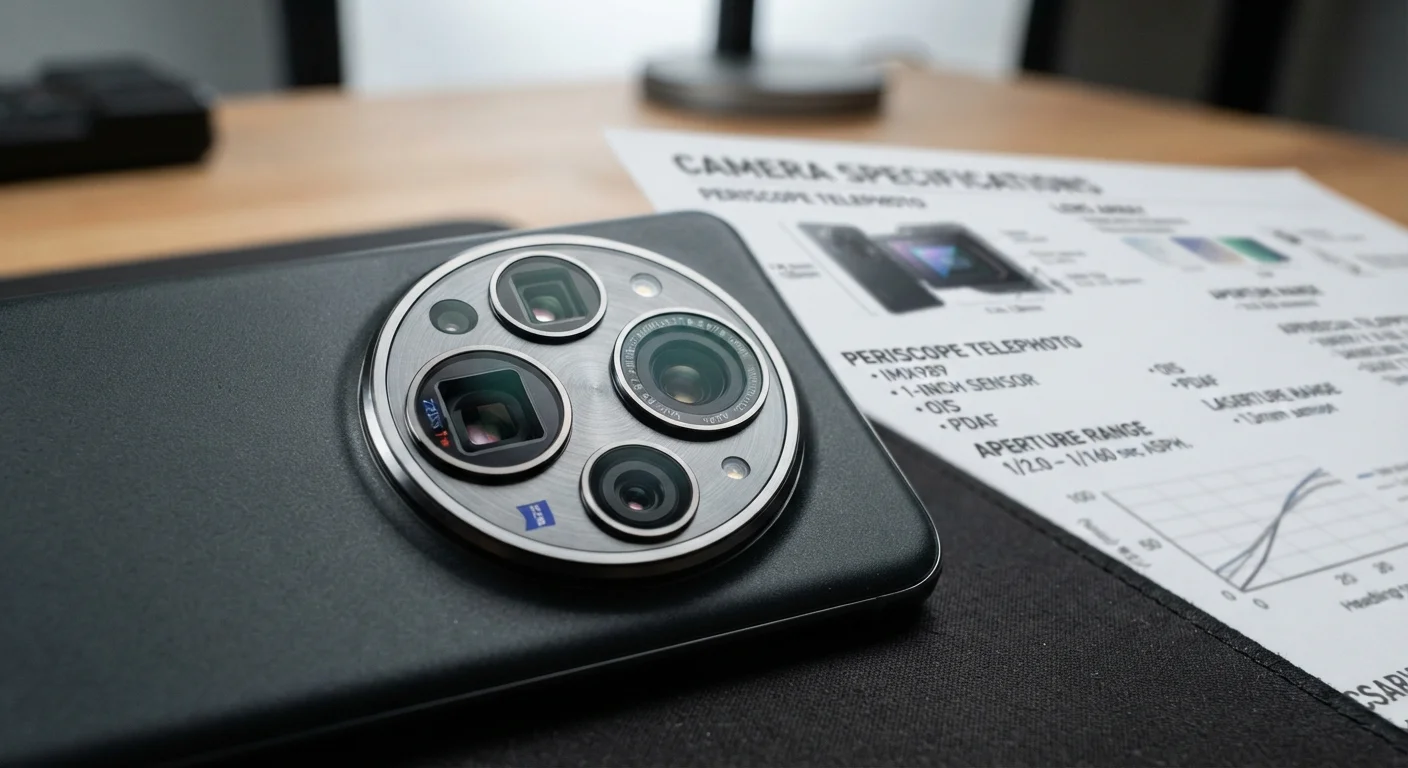
F-stop, PDAF, EIS, OIS — camera specs are dense with jargon. This reference breaks down the terms you'll actually encoun…
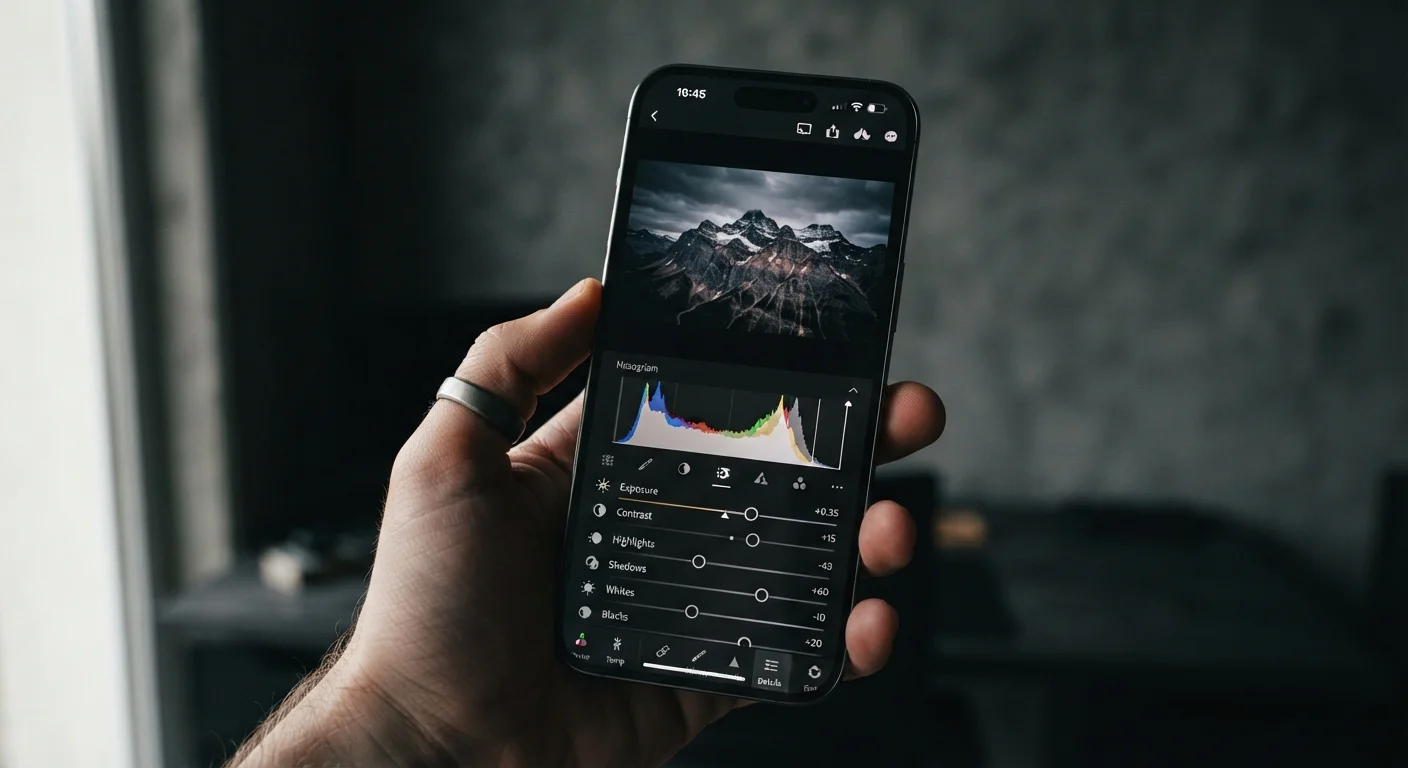
RAW files preserve more image data but demand more storage and editing time. Weigh the trade-offs before switching from …
Multi-mic arrays, beamforming, and spatial audio are reshaping mobile sound. Here's what these features actually do unde…
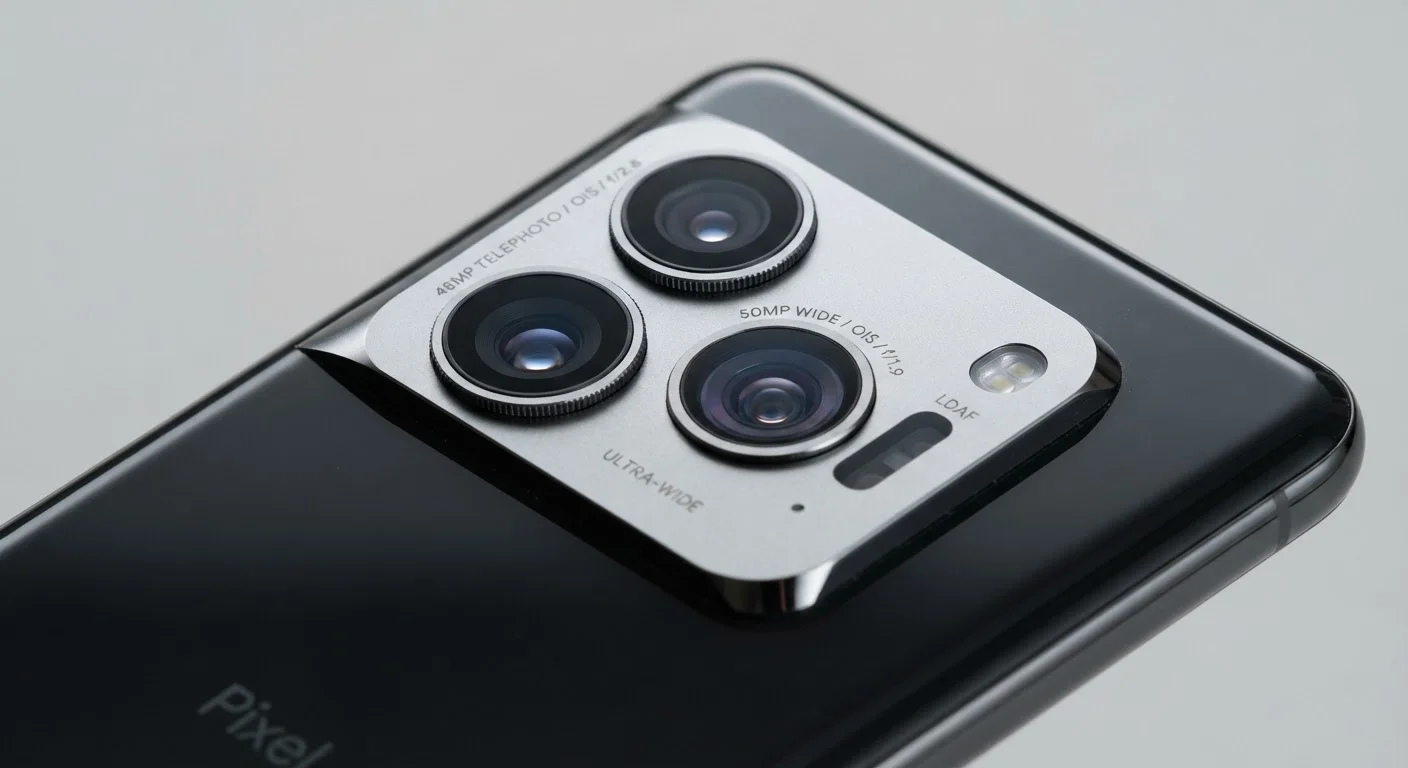
Understand how sensor size, pixel count, and aperture affect image quality — and why bigger numbers don't always mean be…
Modern smartphone photos are as much software as optics. Explore how HDR, scene detection, and AI processing reshape you…
A 200MP camera doesn't guarantee sharp photos. Learn why megapixel count is just one variable in a complex imaging equat…
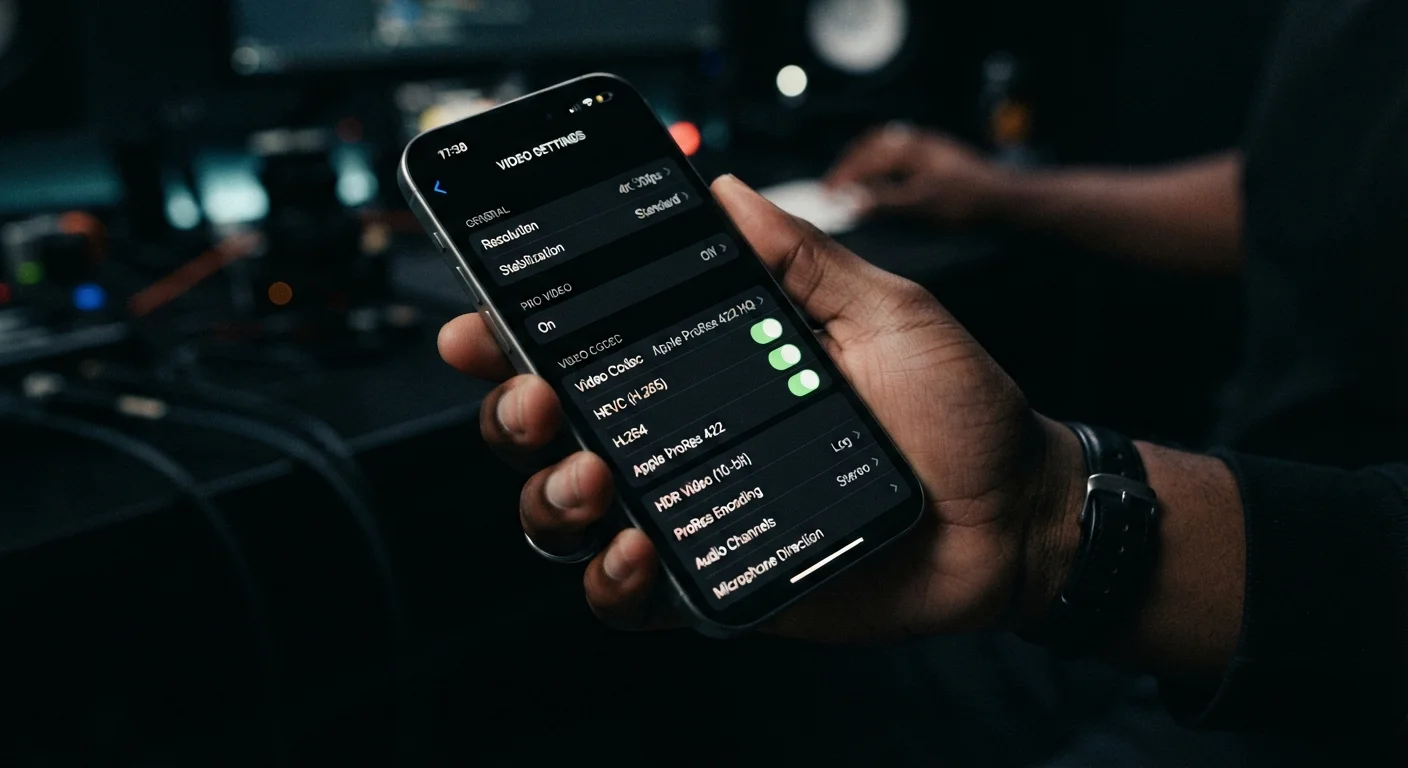
H.264, H.265, ProRes, Log — video format choices affect quality, compatibility, and storage. Here's what each one means …
OIS uses physical movement; EIS uses cropping. Understanding the difference helps you set realistic expectations for han…
Software bokeh relies on depth maps, not physics. Understanding how it's generated explains why edges sometimes blur inc…