
Optical vs Digital Zoom: What Changes When You Pinch In
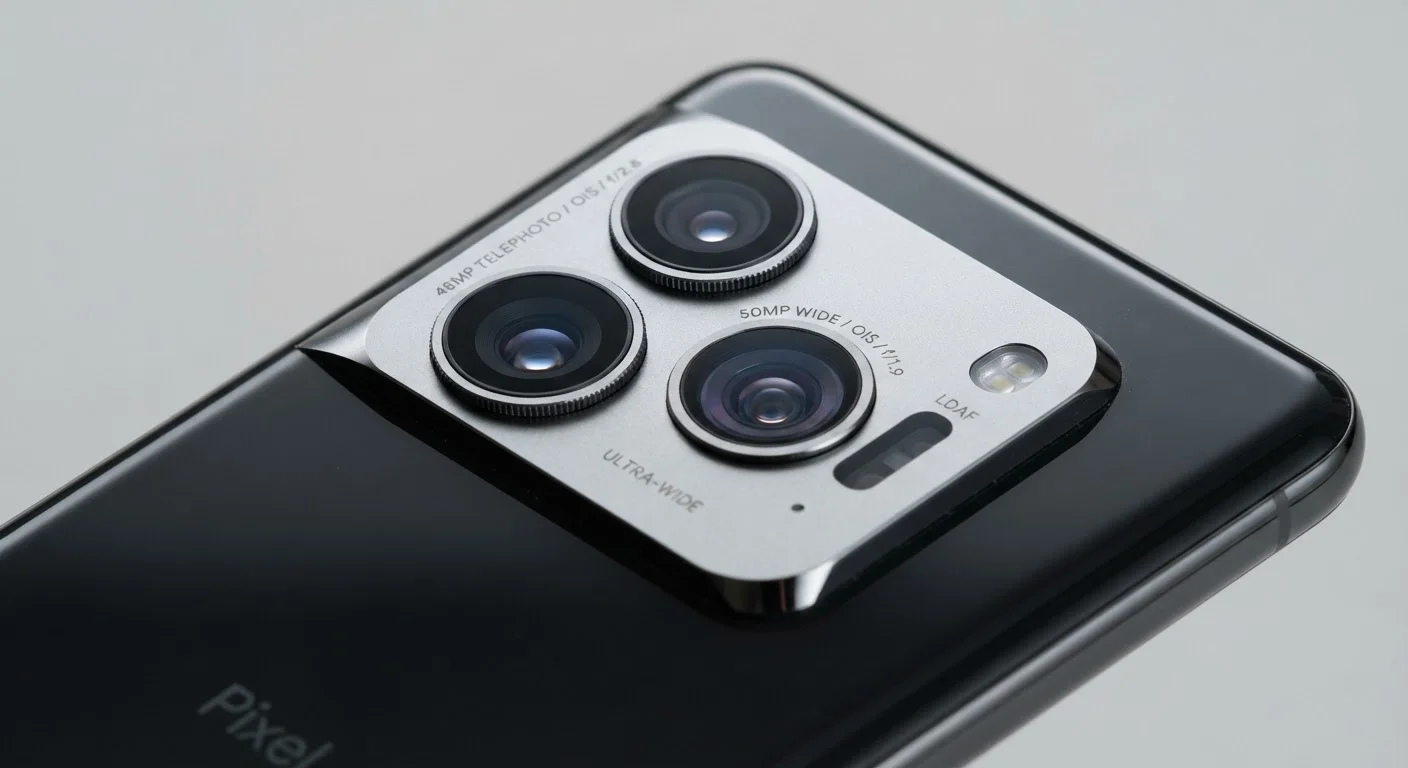
Photo credit: Telecom360.net | Connecting You To The Latest In Telecom
In this article
Optical and digital zoom produce very different results. Here's the technical difference and why it matters for long-distance shots.
Key Takeaways
- Optical zoom uses physical lens movement or discrete telephoto modules to magnify a scene without degrading image data.
- Digital zoom crops and upscales the sensor's existing pixel data, which always involves some quality loss.
- Hybrid zoom combines both methods, applying digital upscaling only after optical limits are reached.
- The quality gap between optical and digital zoom widens as magnification level increases.
- A phone's stated maximum zoom figure typically includes digital zoom, which is much less meaningful than its optical zoom range.
How Each Method Actually Works
When you pinch to zoom on a smartphone, two fundamentally different processes may be happening - and confusing them explains a lot of photography disappointment.
Optical zoom works through optics: light is redirected by physically moving lens elements or, on modern smartphones, by switching to a dedicated telephoto camera module positioned at a longer focal length. No pixel data is discarded or manufactured. The sensor captures the magnified scene just as it would a wide-angle scene - at full resolution. On a phone with a 3x optical telephoto lens, the image at 3x is optically equivalent in fidelity to a shot taken at 1x.
Digital zoom is a cropping operation. The phone takes the full sensor output, isolates the central region corresponding to the desired magnification, and then upscales that crop back to the output image dimensions. Because you are stretching fewer original pixels across the same canvas, fine detail is reconstructed by interpolation algorithms rather than captured by the sensor. The result is softer, sometimes smeared, and more susceptible to noise - especially in low light.
Modern computational photography has narrowed that gap. AI-driven super-resolution algorithms (used by all major smartphone platforms) analyze texture patterns to make educated guesses about detail. But they are still guesses, not optically captured data. For a deeper look at how sensor characteristics interact with these processes, see our camera specs explainer.
| Criterion | Optical Zoom | Digital Zoom |
|---|---|---|
| Mechanism | Physical optics / dedicated lens module | Crop and software upscale |
| Image quality at max zoom | Full sensor resolution retained | Degraded by interpolation |
| Low-light performance | Better - more photons gathered | Worse - amplifies existing noise |
| Hardware requirement | Additional telephoto camera module | No extra hardware needed |
| Typical zoom range (smartphones) | 2x-10x optical | Up to 100x+ (with heavy quality loss) |
| AI enhancement applicable | Yes - on top of optical base | Yes - but starting from lower-quality crop |
| Impact on device thickness | Increases - periscope modules add depth | None |
Hybrid Zoom and Why Marketing Numbers Are Misleading
Most flagship smartphones now use hybrid zoom: optical zoom up to the hardware limit, then digital zoom beyond it. A phone with a 5x periscope telephoto module can offer 10x by applying 2x digital upscaling on top. The result is better than pure digital zoom from the primary sensor, but it is not equivalent to true 10x optical. Understanding how periscope telephoto lenses work clarifies why that hardware boundary matters.
Manufacturers frequently advertise maximum zoom figures - sometimes 30x, 100x, or more - that are almost entirely digital. These numbers describe the theoretical outer limit of the crop, not a meaningful quality threshold. A more useful specification to seek out is the optical zoom range, which tells you the magnification levels achievable without any interpolation penalty.
5x-10x
Optical zoom range on current flagship periscope modules
Periscope telephoto designs fold the optical path internally, enabling high optical magnification within slim smartphone bodies.
~2x
Typical optical zoom on mid-range telephoto modules
Most mid-range smartphones with a dedicated telephoto lens offer 2x optical zoom before switching to digital interpolation.
The quality ceiling also varies by sensor size and megapixel count. A 200MP primary sensor can survive heavier digital cropping before resolution visibly degrades, because there are more original pixels to work with. But megapixel count alone is not a guarantee of quality - as explained in the real story behind megapixels.
When the Difference Matters Most
The practical gap between optical and digital zoom is not uniform - it scales with three main variables: magnification level, lighting conditions, and output size.
- Magnification level: At 2x on a phone without a dedicated telephoto module, digital zoom artifacts are subtle. At 10x or beyond, even AI upscaling struggles to reconstruct crisp edges. Optical zoom maintains quality at each supported focal length.
- Lighting: Digital zoom in low light amplifies noise because the original crop is small and already noisy. Optical zoom gathers more photons at the telephoto focal length, producing cleaner shadow detail.
- Output size: Viewing a digitally zoomed image at 100% on a monitor reveals interpolation clearly. The same image viewed at social media thumbnail size may look acceptable. Print or large-display use makes optical quality significantly more important.
Stabilization also interacts with zoom. At long focal lengths, camera shake is magnified proportionally. Optical image stabilization (OIS) compensates using physical element movement, while electronic image stabilization (EIS) uses cropping - a distinction explained in our piece on what stabilization actually does to footage.
What 'Space Zoom' and Similar Brand Names Mean
High-number zoom branding (e.g., '100x Space Zoom') refers to the maximum digital zoom the software will allow, not the optical zoom limit. These figures combine optical and digital zoom into a single headline number. When evaluating a smartphone's camera, look specifically for the stated optical zoom value - typically listed separately in the detailed camera specifications - rather than the maximum zoom figure.
For readers focused on overall sensor performance, sensor size, pixel count, and aperture all influence how much latitude exists before digital zoom degrades the image beyond acceptable quality.

Author
Smartphones Editorial Team
Smartphones Editorial Team is the collective byline for our editorial team and contributor network. Articles published under this byline or an editorial pen name are researched, written, and reviewed according to our editorial standards for clarity, consistency, and independence before publication.
View all articles →