
Active Noise Cancellation vs Passive Isolation: The Real Difference
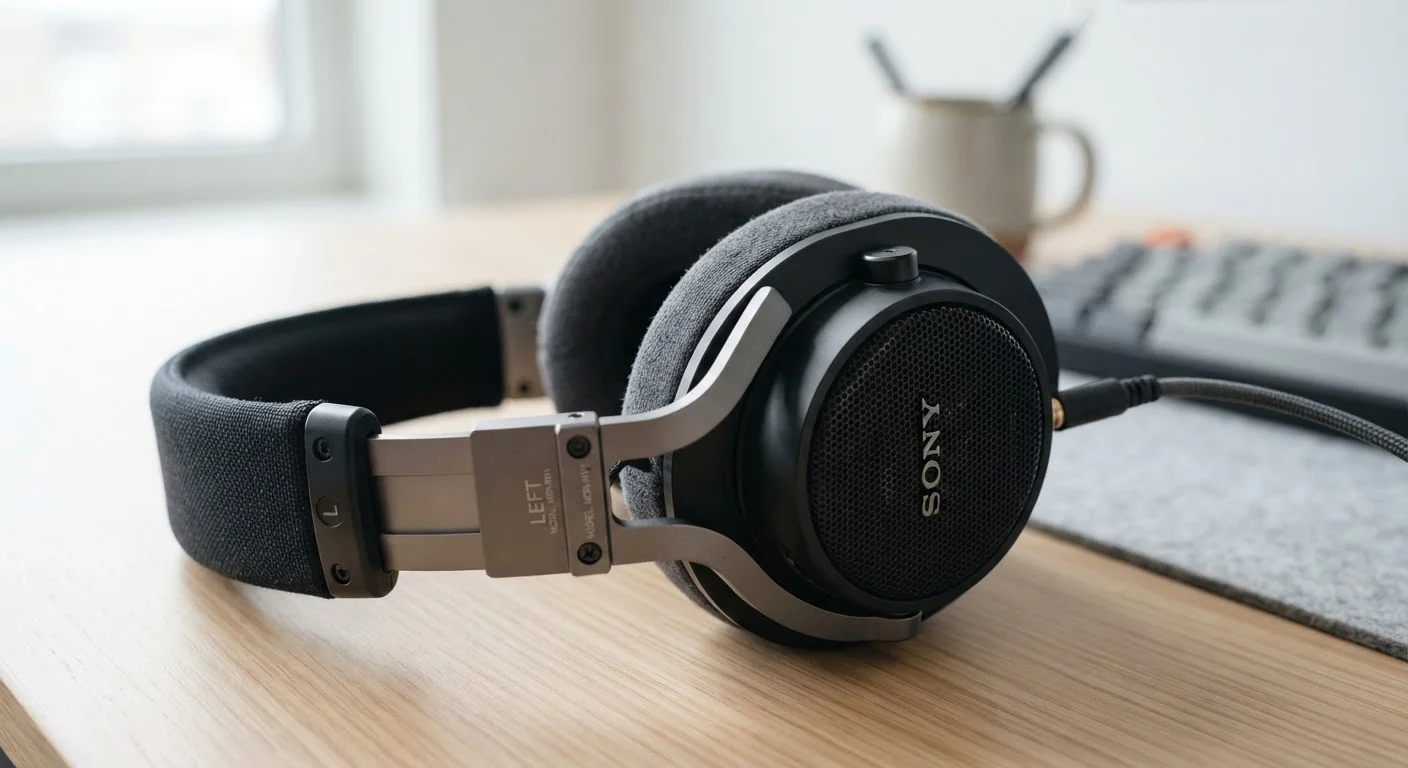
Photo credit: Telecom360.net | Connecting You To The Latest In Telecom
In this article
ANC and passive isolation both block sound, but in very different ways. Here's what separates them and when each approach has the edge.
Key Takeaways
- ANC uses microphones and signal processing to electronically cancel incoming sound waves.
- Passive isolation physically blocks sound using materials like foam, silicone, or dense ear cups.
- ANC excels at low-frequency, steady noise; passive isolation handles higher frequencies more effectively.
- Passive isolation requires no power and introduces no signal processing artifacts.
- Most quality headphones and earbuds combine both methods for broader noise reduction.
- The best approach depends on your environment, use case, and sensitivity to audio artifacts.
How Each Method Actually Works
Active Noise Cancellation and passive isolation share the same goal - reducing the amount of unwanted sound that reaches your ears - but the underlying mechanisms couldn't be more different.
Passive noise isolation is purely physical. The ear cups of over-ear headphones, or the ear tips of in-ear monitors, create a mechanical seal that prevents sound waves from entering. Dense materials like memory foam, silicone, and thick plastic attenuate sound through absorption and reflection. No power is needed; the reduction happens through mass and fit alone. For a deeper look at how design affects this, see our comparison of open-ear versus sealed headphone designs.
Active Noise Cancellation uses electronics. Microphones mounted on the headphone monitor incoming ambient sound, and onboard digital signal processing (DSP) generates an inverted audio signal - a mirror image of the incoming wave - that is played through the drivers simultaneously. When the original sound wave and its inverse meet, destructive interference causes them to cancel. This process happens in near-real-time and requires both a charged battery and a working processor. For a more detailed technical breakdown, our explainer on how noise cancellation actually works covers the physics in depth.
| Criterion | Active Noise Cancellation | Passive Noise Isolation |
|---|---|---|
| Mechanism | Electronic signal inversion via DSP | Physical barrier (materials & fit) |
| Requires power | Yes - battery dependent | No - always active |
| Best frequency range | Low frequencies (below ~1 kHz) | Mid and high frequencies |
| Handles sudden sounds | Poorly - reactive lag | Consistently - no lag |
| Risk of audio artifacts | Yes - hiss, pressure, phase issues possible | None - passive only |
| Fit sensitivity | Moderate - electronics compensate somewhat | High - seal is critical |
| Typical use case | Travel, offices, sustained ambient noise | Studio, loud environments, high-frequency noise |
Frequency Performance and Real-World Limitations
The most important practical distinction between the two methods lies in which frequencies each handles well.
Passive isolation scales with frequency. Higher-frequency sounds - voices, keyboard noise, mid-range machinery - have shorter wavelengths that are more easily blocked by physical barriers. A well-fitting pair of in-ear earbuds with silicone tips can attenuate mid and high frequencies by 25-35 dB. Lower-frequency sounds, with longer wavelengths, pass through physical barriers much more readily. This is why passive-only headphones rarely eliminate the low rumble of an airplane cabin or a subway car effectively.
ANC inverts this performance profile. Because DSP-generated inverse waves are most accurately matched to predictable, sustained sounds, ANC performs best at low frequencies - typically below 1 kHz. It struggles with sudden, unpredictable sounds like a door slam or a barking dog because there isn't sufficient time for the system to sample, process, and cancel the waveform before it arrives at the ear.
25-35 dB
Typical passive attenuation (mid/high frequencies)
Well-fitted in-ear monitors with silicone tips can reduce mid-to-high frequency ambient noise by this range under controlled acoustic testing conditions.
~1 kHz
ANC effective frequency ceiling
Most consumer ANC implementations are most effective at frequencies below 1 kHz, where sustained, low-frequency waveforms are easier to model and invert accurately.
20-30 dB
Additional low-frequency reduction from ANC
In controlled tests, ANC-equipped headphones with a passive seal can achieve combined low-frequency attenuation significantly beyond what passive materials alone provide.
Most premium headphones layer both approaches - a physical seal provides passive attenuation across the spectrum, while ANC handles residual low-frequency bleed. This combination produces the broadest effective noise reduction.
Trade-offs Worth Knowing Before You Decide
Beyond frequency performance, several practical factors separate these two approaches in daily use.
Power dependence: Passive isolation works regardless of battery level. ANC requires power - when the battery dies, ANC disengages. Some headphones compensate by maintaining passive isolation in this state; others introduce audible signal artifacts without power.
Pressure sensation: Some listeners report a mild sensation of pressure or spatial disorientation when using ANC, caused by the DSP introducing inverse pressure waves into the ear canal. This doesn't occur with passive-only isolation and is a genuine differentiator for sensitive users.
Audio transparency: Imperfect ANC processing can introduce hiss, phase artifacts, or subtle coloration in the audio signal. Passive isolation doesn't interact with the audio chain at all - what you hear is purely what the drivers produce.
Fit dependency: Passive isolation is only as effective as the seal. Poor-fitting ear tips or ear cups dramatically reduce attenuation. ANC, while still benefiting from a good fit, is less sensitive to minor seal variations because electronics compensate for some leakage.
If you're also evaluating the broader trade-offs in wired versus wireless headphone setups, our wired vs. wireless accessories guide covers how connectivity choices intersect with audio quality.
Hybrid Designs Are Now the Norm
Most over-ear headphones and earbuds at the mid-to-premium tier now combine ANC with a physical seal, using passive isolation as the foundation and ANC to handle residual low-frequency bleed. When evaluating headphones, it's worth understanding which element is doing more of the work for your specific environment - because ANC quality and passive seal quality can vary significantly between models even within the same price range.

Author
Consumer Electronics Editorial Team
Consumer Electronics Editorial Team is the collective byline for our editorial team and contributor network. Articles published under this byline or an editorial pen name are researched, written, and reviewed according to our editorial standards for clarity, consistency, and independence before publication.
View all articles →