
Audio Codecs Explained: Why Bluetooth Sound Quality Varies
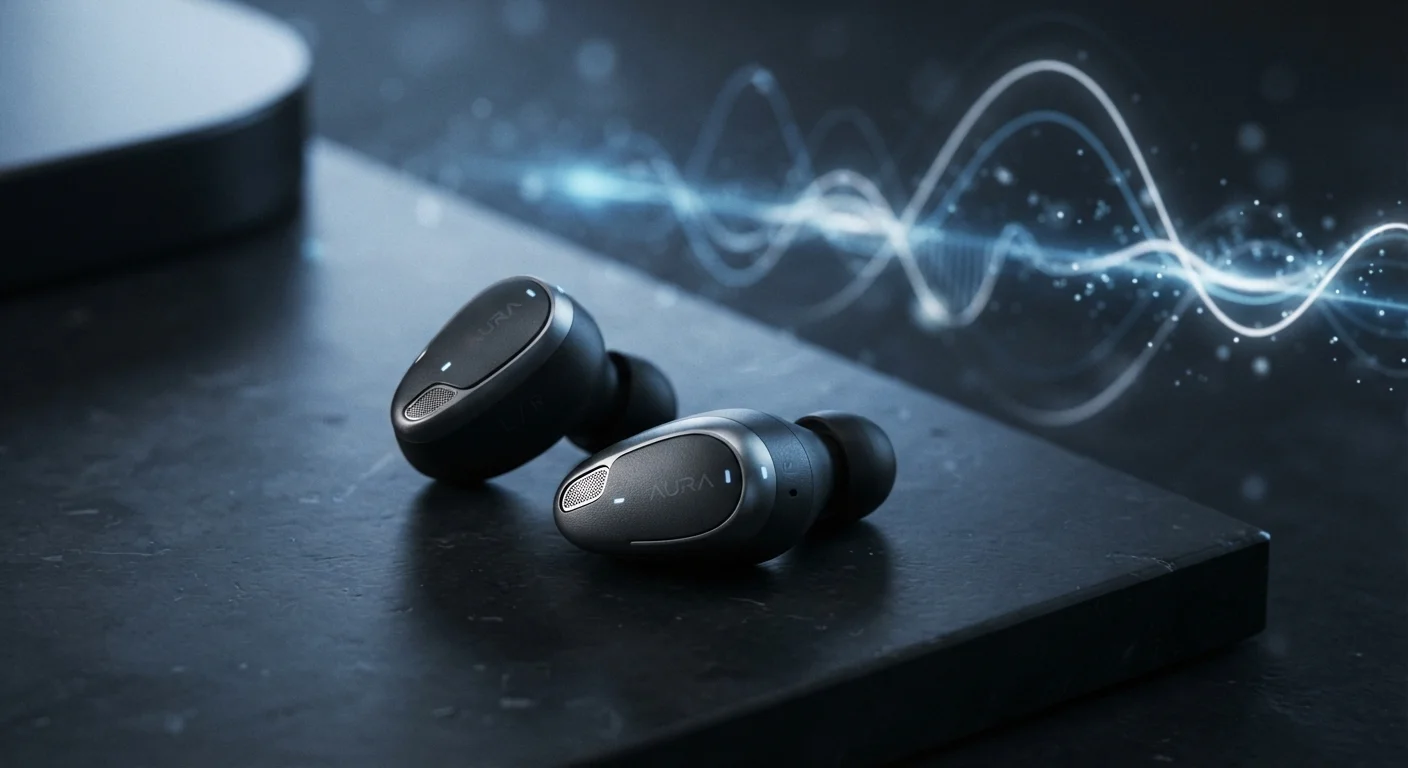
Photo credit: Telecom360.net | Connecting You To The Latest In Telecom
In this article
SBC, AAC, aptX, LDAC — these codecs determine how audio travels wirelessly. Here's what each one means for your listening experience.
Key Takeaways
- SBC is the universal Bluetooth audio fallback, offering basic quality with no guarantee of anything better.
- AAC performs well on Apple devices but varies significantly depending on the Android implementation.
- aptX and aptX HD target higher-fidelity transmission, primarily in the Android ecosystem.
- LDAC offers the highest theoretical bitrate among widely used codecs, at up to 990 kbps.
- Both devices in a Bluetooth pair must support the same codec - the weaker link always wins.
- Higher codec bitrate does not automatically mean audibly better sound in every listening scenario.
The Problem with Wireless Audio
Bluetooth was never originally designed as a high-fidelity audio transmission system. It's a short-range radio protocol, and sending audio data wirelessly requires compressing that data, transmitting it, and decompressing it in real time - all without audible stuttering or delay. The codec sitting in the middle of that process shapes everything you hear.
When two devices connect over Bluetooth, they negotiate a shared codec. If your headphones support a high-quality codec but your phone doesn't - or vice versa - the pair falls back to the lowest common denominator. Understanding each codec's role helps explain why the same pair of headphones can sound dramatically different depending on what they're connected to. For a broader look at how specs translate to real-world performance, see what spec sheets don't tell you about true wireless earbuds.
990 kbps
LDAC maximum transmission bitrate
Sony's LDAC codec specification lists 990 kbps as its highest quality mode, compared to SBC's typical ceiling of around 328 kbps.
3x
LDAC vs. SBC data throughput ratio
At peak settings, LDAC transmits approximately three times as much audio data per second as standard SBC, according to Sony's published codec specifications.
~40ms
Typical aptX Low Latency delay
Qualcomm's aptX Low Latency specification targets end-to-end latency under 40 milliseconds, compared to standard SBC latency which can exceed 100-200ms depending on implementation.
The Major Codecs and What They Do
SBC (Sub-Band Coding) is the mandatory baseline codec for all Bluetooth audio devices. Every pair of Bluetooth headphones supports it. SBC operates at bitrates typically between 192-328 kbps and delivers acceptable but uninspiring audio quality. Its real virtue is universal compatibility.
AAC (Advanced Audio Coding) is the codec Apple bakes deeply into its ecosystem. iPhones and AirPods use AAC natively, and the tight hardware-software integration means it performs well at its target bitrate of around 250 kbps. On Android, AAC support is fragmented - some implementations handle it efficiently, others introduce encoding artifacts or fall back to SBC anyway.
aptX, developed by Qualcomm, targets the Android ecosystem and promises CD-like quality at 352 kbps with lower latency than SBC. aptX HD extends this to 576 kbps with 24-bit audio support, aiming for high-resolution playback. Both require Qualcomm chipsets on at least the transmitting device, which limits availability.
LDAC, developed by Sony and now part of Android Open Source Project, carries the highest bitrate of any widely deployed Bluetooth codec - up to 990 kbps at its highest setting. It supports three quality modes (330, 660, and 990 kbps), with the device automatically adjusting based on connection stability. LDAC is the codec most likely to transmit meaningful high-resolution audio detail, assuming a clean wireless environment.
“The codec is the weakest link in wireless audio. You can have the most expensive headphones in the world, but if the source device only outputs SBC, that's the ceiling for what you'll hear.”
— Audio Engineering Society, Professional standards organization for audio technology
What Actually Affects Your Listening Experience
Codec bitrate is one factor, but it doesn't operate in isolation. The quality of the audio source matters enormously - streaming a compressed 128 kbps file over LDAC won't reveal more detail than the source contains. Driver quality, headphone acoustics, and digital-to-analog conversion all contribute to the final sound, regardless of which codec delivers the signal.
Wireless interference also affects codec performance. LDAC at 990 kbps requires a stable connection; in congested RF environments (crowded commutes, busy offices), devices may automatically step down to 330 kbps or switch codecs entirely. aptX was partly designed with connection resilience in mind, and its lower bitrate ceiling makes dropouts less likely under interference.
Check Codec Status on Android
Android's Developer Options (enabled by tapping 'Build Number' seven times in About Phone settings) includes a Bluetooth Audio Codec selector. You can view which codec is currently active and manually override it to test audible differences. This is a non-destructive setting you can revert at any time.
Latency deserves separate attention. High-bitrate codecs can introduce more processing delay, which creates visible lip-sync issues during video playback. Codecs like aptX Low Latency and the newer LC3 codec (part of the Bluetooth LE Audio specification) specifically address this. For context on how audio codec concepts parallel video compression trade-offs, see video codec and bitrate trade-offs on smartphones.
For listeners exploring different form factors where driver design and transmission method shape sound just as much as codec selection, open-ear audio technologies offer a useful comparison point.
Frequently Asked Questions

Author
Consumer Electronics Editorial Team
Consumer Electronics Editorial Team is the collective byline for our editorial team and contributor network. Articles published under this byline or an editorial pen name are researched, written, and reviewed according to our editorial standards for clarity, consistency, and independence before publication.
View all articles →