
Getting Accurate Sleep Data from a Wearable
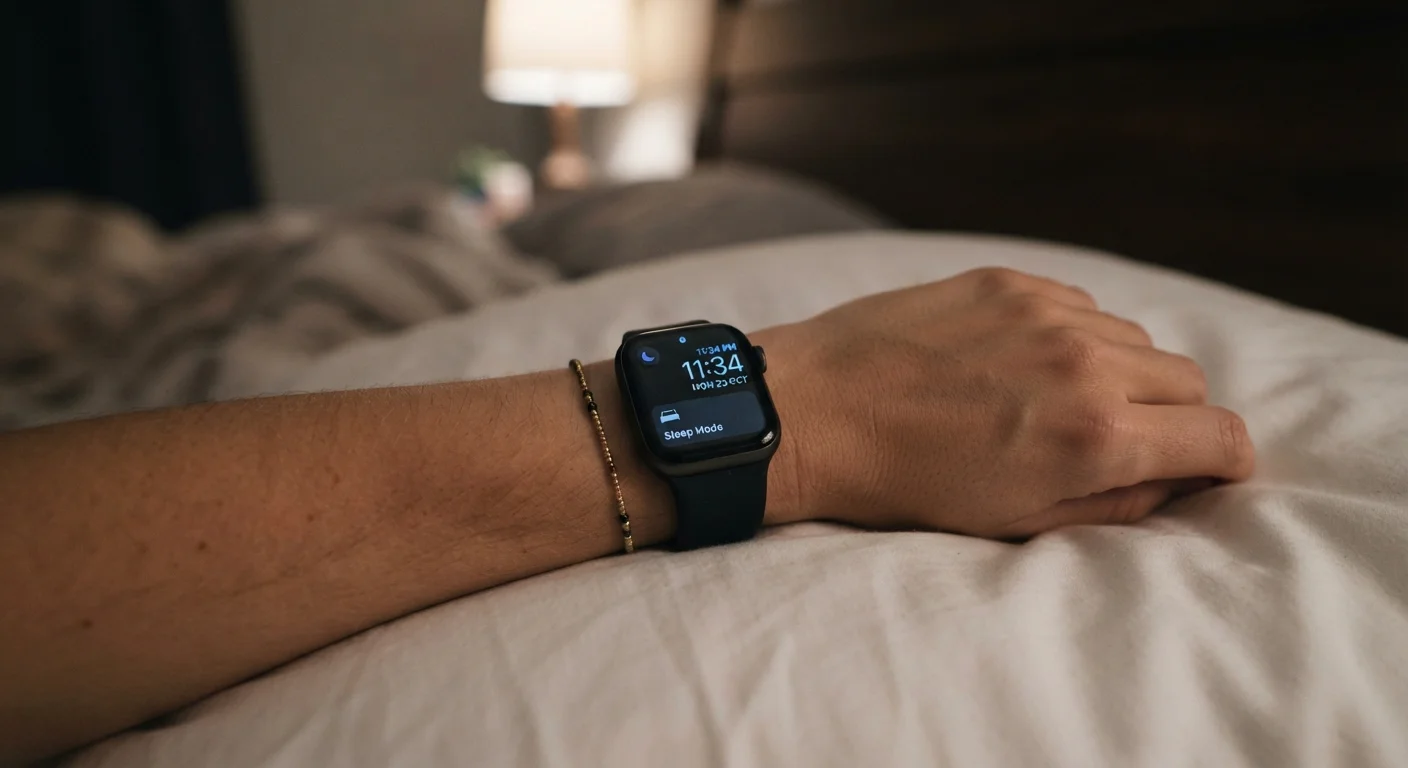
Photo credit: Telecom360.net | Connecting You To The Latest In Telecom
In this article
Sleep tracking on wearables has real limitations. These practices help you get more reliable data and interpret results sensibly.
Key Takeaways
- Wearable sleep tracking relies on movement and heart rate sensors, not direct brain activity measurement.
- Device fit, wear position, and skin contact quality all directly affect sleep data accuracy.
- Trends over multiple nights are far more meaningful than any single night's reading.
- Consistent device placement and sleep scheduling improve the reliability of stage detection.
- AI-derived sleep scores should be treated as general indicators, not clinical diagnostics.
Why Wearable Sleep Data Is Inherently Approximate
Consumer wearables estimate sleep using a combination of accelerometers (motion sensors) and optical heart rate sensors - not the electroencephalography (EEG) used in clinical sleep studies. These devices infer sleep stages by detecting stillness and changes in heart rate variability, which correlates broadly with sleep cycles but cannot replicate the precision of medical-grade polysomnography.
Research comparing wearable sleep tracking to clinical measurement has consistently found that consumer devices tend to overestimate total sleep time and struggle to distinguish light sleep from wakefulness, particularly in restless sleepers. Understanding this fundamental limitation changes how you should interpret the numbers your device reports. For a broader view of how sensor conditions shape health metrics, see our practical verification checklist for wearable health data.
~78%
Sleep/wake agreement vs. polysomnography
Studies comparing consumer wearables to lab-based polysomnography typically find epoch-by-epoch sleep/wake agreement around 78%, with accuracy dropping notably for individual sleep stage classification.
~30 min
Average overestimation of total sleep time
Independent validation studies have found consumer wearables tend to overestimate total sleep time by approximately 30 minutes compared to clinical measurement in healthy adult populations.
Best Practices for More Reliable Sleep Readings
While no consumer wearable matches clinical accuracy, several controllable factors make a meaningful difference in the quality of the data you collect.
Wear the device snugly but not restrictively, positioned one to two finger-widths above the wrist bone.
Optical heart rate sensors require consistent skin contact to read blood flow accurately. A loose or sliding device picks up motion artifacts that corrupt both heart rate and movement data, directly degrading sleep stage inference.
Keep a consistent sleep and wake schedule to anchor the device's baseline.
Many wearables build a personal baseline over several weeks. Erratic schedules make it harder for the device's algorithms to distinguish your normal patterns from anomalies, reducing the relevance of stage breakdowns.
Ensure the device battery is sufficiently charged before sleep - aim for at least 30% going in.
Some wearables reduce sensor polling frequency or disable certain features when battery is critically low, which produces incomplete or lower-resolution sleep data without alerting the user.
Avoid vigorous late-night exercise within two hours of your target bedtime when comparing sleep data across nights.
Elevated post-exercise heart rate can confuse algorithms that use heart rate variability to detect sleep onset and stage transitions, artificially skewing data on nights you work out late.
Review week-long and month-long trend views rather than fixating on individual nightly scores.
Night-to-night variation in sleep stage estimates is expected and amplified by sensor limitations. Trends across multiple nights reveal genuine patterns that single-night readings cannot.
Reading Your Sleep Data Sensibly
Even well-collected data can be misread. A single night showing reduced REM sleep is rarely cause for concern - one late meal, an unusually warm room, or minor stress can shift sleep architecture. What matters is the pattern across a week or more.
AI-powered sleep features - which use pattern recognition to estimate stages and generate readiness scores - add another interpretive layer. These tools can surface genuinely useful trends, but they operate on proprietary algorithms that aren't publicly validated. Treat a "sleep score" as a rough relative indicator, not a medical assessment. For a detailed breakdown of how AI-derived wearable features work and where they fall short, the article on AI health features on wearables provides useful context. Similarly, if your device's reported heart rate data seems inconsistent with how rested you feel, heart rate monitoring accuracy on wearables explains the sensor factors at play.
When to Consult a Medical Professional
Wearable sleep data is not a diagnostic tool. If you regularly experience daytime sleepiness, difficulty breathing during sleep, or other concerning symptoms, consult a qualified healthcare provider rather than relying on device reports. A clinical sleep study remains the only validated method for diagnosing conditions such as sleep apnea or insomnia disorder.

Author
Consumer Electronics Editorial Team
Consumer Electronics Editorial Team is the collective byline for our editorial team and contributor network. Articles published under this byline or an editorial pen name are researched, written, and reviewed according to our editorial standards for clarity, consistency, and independence before publication.
View all articles →