
IP Ratings on Smartphones: What IP67, IP68, and IP69 Actually Protect Against
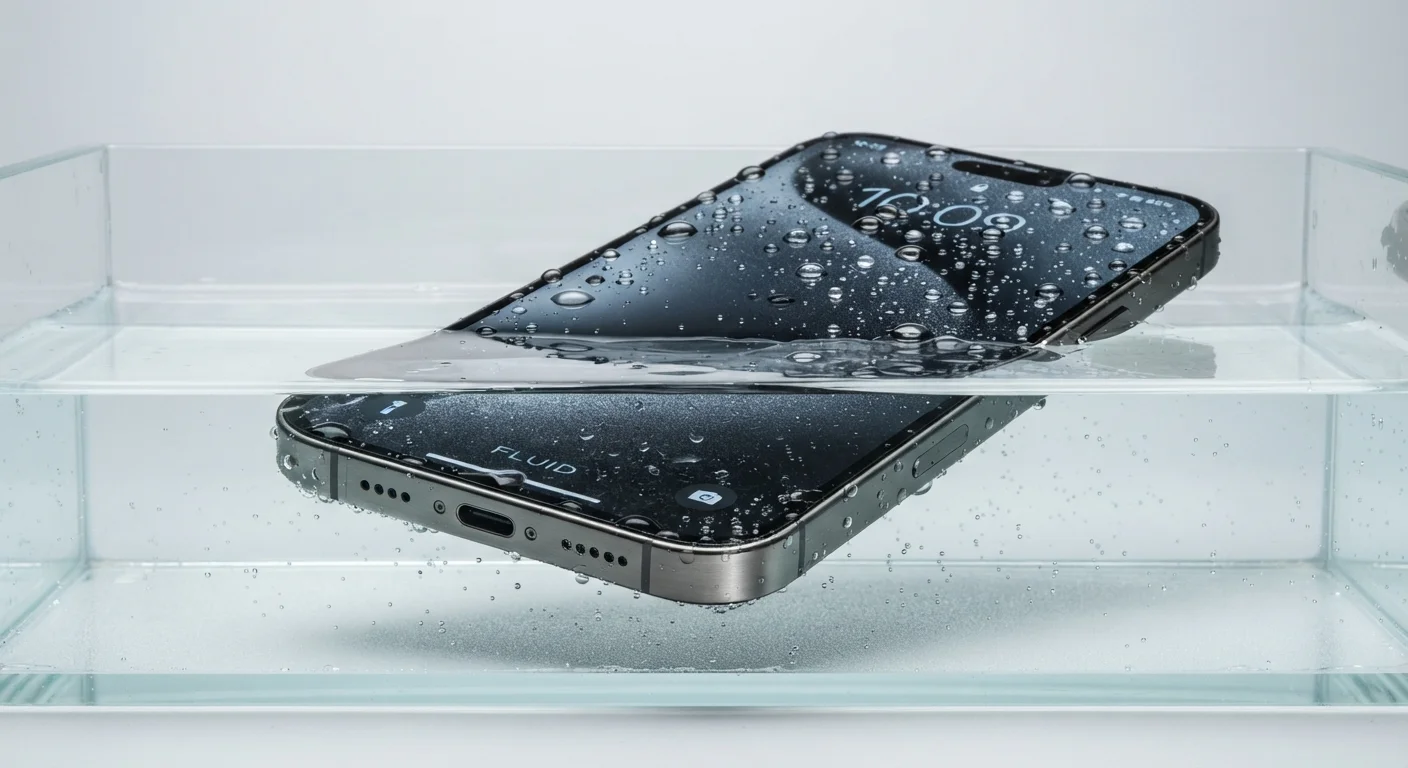
Photo credit: Telecom360.net | Connecting You To The Latest In Telecom
In this article
IP ratings have specific meanings that manufacturers don't always make clear. Here's exactly what each digit covers — and what it doesn't.
How the IP Rating System Works
The IP rating system is defined by the international standard IEC 60529, published by the International Electrotechnical Commission. Every IP code follows the same structure: the letters "IP" followed by two digits. The first digit rates protection against solid particles (dust, debris); the second rates protection against liquids. A higher digit means a more demanding test was passed.
| Standard governing IP ratings | IEC 60529 (International Electrotechnical Commission) |
| First digit measures | Solid particle protection (0-6 scale) |
| Second digit measures | Liquid ingress protection (0-9K scale) |
| IP67 immersion test | Up to 1 m depth for 30 minutes (IEC 60529 test condition) |
| IP68 immersion test | Manufacturer-declared depth, typically 1.5-6 m (Varies by manufacturer specification) |
| IP69K jet temperature | 80°C at 8-10 MPa pressure (IEC 60529 / ISO 20653 test condition) |
| Liquid used in standard tests | Fresh water at room temperature (IEC 60529) |
When a digit is replaced by an "X" - as in IPX8 - it means that characteristic was not tested, not that protection is absent. Manufacturers sometimes omit one digit when the untested dimension is irrelevant to a product's intended use, which can mislead consumers into assuming full protection in both categories.
For a broader look at how IP ratings sit alongside other durability certifications like MIL-STD-810, see the full durability ratings guide covering phones and tablets.
Decoding Each Digit: Solids and Liquids
The first digit runs from 0 (no protection) to 6 (dust-tight). Most flagship smartphones carry a 6, meaning no dust ingress is permitted under a standardized vacuum test lasting at least eight hours. Mid-range devices sometimes carry a 5, which permits limited dust entry but prevents harmful deposits.
The second digit is where consumer confusion is highest. Here is what each relevant level actually requires:
- 7 - Immersion up to 1 m for 30 minutes. The device is submerged in fresh water at a depth between 15 cm and 1 m. Passing means no harmful ingress occurs under those exact conditions.
- 8 - Immersion beyond 1 m, manufacturer-specified depth and duration. IP68 requires the manufacturer to declare a depth (commonly 1.5 m to 6 m) and duration (commonly 30 minutes). The test is conducted at those declared conditions, not at a universal standard depth.
- 9 / 9K - High-pressure, high-temperature water jets. Originally an automotive standard, IP69K tests resistance to close-range jets at 80°C and pressures of 8-10 MPa. This is rare on consumer smartphones and does not imply deeper immersion tolerance than IP68.
IEC 60529
The international standard published by the International Electrotechnical Commission that defines the IP (Ingress Protection) rating system, including test methodologies for solid and liquid ingress.
IP Rating
A two-digit code indicating a device's tested resistance to solids (first digit) and liquids (second digit). Higher digits represent more demanding test conditions passed.
IP68
An IP rating indicating dust-tight protection and resistance to continuous immersion in water. The depth and duration are declared by the manufacturer and vary between products.
IP69K
A rating indicating resistance to high-pressure, high-temperature water jets at close range. Originally an automotive standard, it does not imply deeper immersion tolerance than IP68.
Ingress
The entry of foreign matter - dust, moisture, or liquid - into a device's internal components. IP ratings measure how effectively a device's enclosure resists this entry.
IPX (X digit)
When a digit in an IP code is replaced with "X", it indicates that characteristic was not tested, not that protection is absent. For example, IPX8 has no declared solid-particle test.
Because IP68 depths vary by manufacturer declaration, two phones both rated IP68 may have been tested at meaningfully different conditions. Always check the declared depth in the device's technical specifications rather than assuming uniformity.
What IP Ratings Don't Cover
IP certification tests are conducted under controlled laboratory conditions using fresh water at room temperature. This creates several real-world gaps that marketing language rarely addresses:
- Saltwater and chlorinated water are more corrosive than the fresh water used in testing. Pool chemicals and ocean salt can degrade gaskets over time even if a single submersion causes no immediate damage.
- Pressure variations from diving or fast-moving water (e.g., whitewater) exceed what static immersion tests simulate.
- Degradation over time is not addressed. Seals and adhesives age, flex with heat cycles, and can be compromised by drops before any water contact occurs. An IP68 rating reflects the device's condition when it left the factory.
- Damage from water exposure is typically not covered by manufacturer warranties, even on IP-rated devices. The rating confirms a test was passed; it does not constitute a warranty against liquid damage.
IP Ratings Don't Cover Warranty Claims
Most smartphone manufacturers explicitly exclude liquid damage from their standard limited warranties, even on devices carrying IP67 or IP68 ratings. The certification confirms a laboratory test was passed under specific controlled conditions - it is not a contractual guarantee of water resistance in everyday use. If liquid damage coverage matters to you, review the warranty terms or consider third-party device protection plans separately.
Understanding these gaps matters beyond hardware - liquid-damaged devices can also become security vulnerabilities. The device security guide covers what happens when hardware protection fails and data exposure risk increases.
Practical Implications When Comparing Devices
When evaluating smartphones, treat IP ratings as a floor, not a ceiling. An IP67 device handled carefully will likely outlast an IP68 device with a cracked frame and aged seals. Here is how to apply the ratings practically:
- Verify the declared IP68 depth. Check the manufacturer's official spec sheet - not just the marketing page - for the specific depth and duration used in testing.
- Cross-reference with dust rating. A phone rated IP68 has both dust-tight (6) and deep-immersion (8) protection. A device rated IPX8 has declared no dust test at all.
- Factor in use environment. For pool or beach use, IP68 is a reasonable baseline. For industrial or high-pressure wash-down environments, IP69K becomes relevant - and even then, purpose-built rugged devices may be more appropriate than consumer smartphones.
IP ratings are one specification among many. For a complete framework for reading hardware specs, smartphone specs decoded explains how figures like processor nodes, display nits, and storage throughput translate into real-world performance - just as IP digits translate into real-world protection boundaries.

Author
Smartphones Editorial Team
Smartphones Editorial Team is the collective byline for our editorial team and contributor network. Articles published under this byline or an editorial pen name are researched, written, and reviewed according to our editorial standards for clarity, consistency, and independence before publication.
View all articles →