
Wearable Fitness Data: Common Misreadings and What They Actually Signal
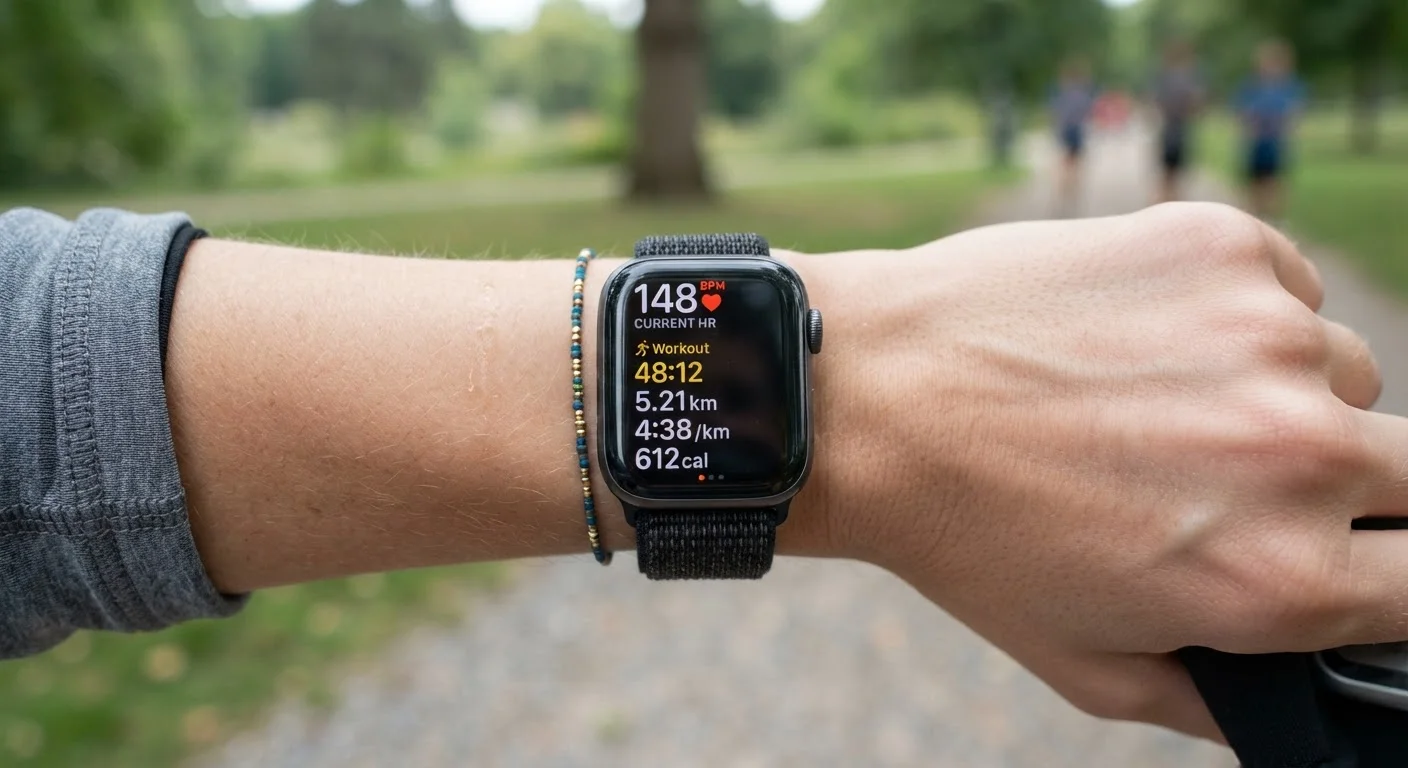
Photo credit: Telecom360.net | Connecting You To The Latest In Telecom
In this article
VO2 max estimates, resting heart rate spikes, and calorie burn figures are often misinterpreted. Here's how to read them more accurately.
Key Takeaways
- Calorie burn estimates from wearables can carry meaningful error margins - treat them as directional, not precise.
- VO2 max figures are algorithm-derived estimates, not clinical measurements, and vary between devices.
- A single elevated resting heart rate reading is rarely cause for alarm without supporting context.
- Sensor fit, skin tone, tattoos, and movement artifacts all affect optical heart rate accuracy.
- Trend data over weeks is far more meaningful than isolated daily readings from any wearable.
Why Fitness Wearable Data Gets Misread
Consumer fitness wearables have become remarkably sophisticated, but the gap between what they measure and what users believe they measure remains wide. Optical photoplethysmography (PPG) sensors - the technology behind wrist-based heart rate monitoring - detect blood volume changes through the skin, an indirect proxy for cardiac activity. The jump from raw sensor signal to a labeled metric like "VO2 max" or "calories burned" involves proprietary algorithms, population-level assumptions, and statistical modeling. None of that complexity is visible in the app.
That invisibility is where misreadings begin. When a number appears in a polished dashboard, it carries an air of precision it may not have earned. Understanding what each metric actually represents - and where its uncertainty lives - is essential for using this data productively. See our practical checklist for verifying wearable health metrics before drawing conclusions from any single reading.
The Most Common Misreadings - and How to Avoid Them
The errors below represent the most widespread misinterpretations seen across fitness tracking use cases. Each one is addressable once the underlying mechanism is understood.
Treating calorie burn estimates as precise measurements and calibrating food intake accordingly.
Why it happens: Apps display calorie figures to the decimal, which implies a level of accuracy the underlying methodology doesn't support. Wearable energy expenditure models rely on heart rate, movement, and demographic inputs - none of which fully capture individual metabolic variation.
Interpreting a single elevated resting heart rate as a sign of a cardiac problem.
Why it happens: Health apps often present resting heart rate prominently, and any deviation from a user's norm can feel alarming without context. Most users don't know that resting heart rate fluctuates meaningfully based on sleep quality, hydration, alcohol intake, stress, and illness.
Accepting a VO2 max estimate as a clinically equivalent measurement.
Why it happens: VO2 max is a well-established fitness metric, and seeing it labeled clearly in an app makes it feel authoritative. In reality, wearable VO2 max figures are algorithm-derived estimates based on heart rate response to activity - not a direct measurement of oxygen uptake.
Ignoring how poor device fit degrades heart rate and SpO2 accuracy during exercise.
Why it happens: Many users wear their device at the wrist position comfortable for daily use rather than the snugger, higher placement recommended during workouts. Motion artifacts - signal noise introduced by arm movement - increase dramatically when the sensor shifts during activity.
Using sleep stage breakdowns to diagnose a sleep disorder.
Why it happens: Seeing "18 minutes of deep sleep" in a detailed nightly report feels like a clinical finding. Wearable sleep stage detection relies on movement and heart rate variability as proxies, not the EEG brain-wave signals used in clinical sleep studies.
~40%
Potential calorie estimate error range
Exercise science research has documented wrist-worn device energy expenditure errors of up to 40% or more compared to laboratory indirect calorimetry in some study conditions.
±3-5 bpm
Typical optical HR accuracy at rest
Under resting, controlled conditions, consumer optical heart rate sensors generally perform within a few beats per minute of chest-strap reference monitors, though accuracy degrades during intense movement.
Reading Your Data Like an Analyst, Not a Patient
The most reliable signal in wearable data is directional change over time, not the absolute value of any single reading. A resting heart rate that trends downward over three months as you build cardiovascular fitness is genuinely informative. A single spike on one Tuesday morning - after poor sleep, a large coffee, and a stressful commute - tells you very little by itself.
Apply the same lens to sleep data. Wearables estimate sleep stages through movement and heart rate variability, not EEG signals. Stage breakdowns carry real uncertainty; the practices that improve sleep data accuracy help, but they don't eliminate it. Use nightly totals and week-over-week patterns as your primary reference rather than any single night's stage percentages.
For heart rate monitoring specifically, sensor placement and device fit matter significantly. Optical heart rate sensors vary in accuracy based on conditions you can control - snug fit, consistent wear position, and avoiding readings taken immediately after high-motion activity are all effective mitigations.
Finally, be aware of what your wearable does with the data it collects. Biometric information collected passively throughout your day may be stored and handled in ways worth understanding. The full picture of what wearables collect and where it goes is a useful reference for any informed user.
Don't Calibrate Medication or Diet Around Wearable Readings
Adjusting insulin dosing, electrolyte supplementation, or caloric intake based on wearable-reported figures carries real risk, given the error margins inherent in consumer sensor technology. These decisions belong in conversation with a licensed medical or nutritional professional who has access to validated measurement tools.

Author
Consumer Electronics Editorial Team
Consumer Electronics Editorial Team is the collective byline for our editorial team and contributor network. Articles published under this byline or an editorial pen name are researched, written, and reviewed according to our editorial standards for clarity, consistency, and independence before publication.
View all articles →